Training is changing fast. Companies across the USA are moving away from old-style classroom programs. They are turning to a new method called skills-based learning. This approach focuses on real ability instead of hours spent in a course. In this article, we will explain what skills-based learning means. We will also look at why it is replacing traditional corporate training. Finally, we will cover competency-based training and how it connects to this shift.
What Is Skills-Based Learning
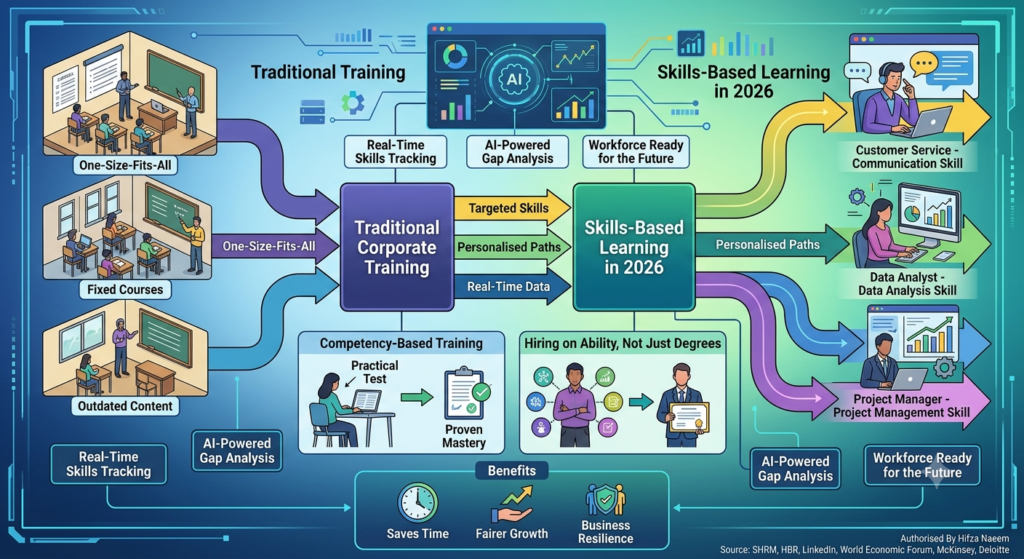
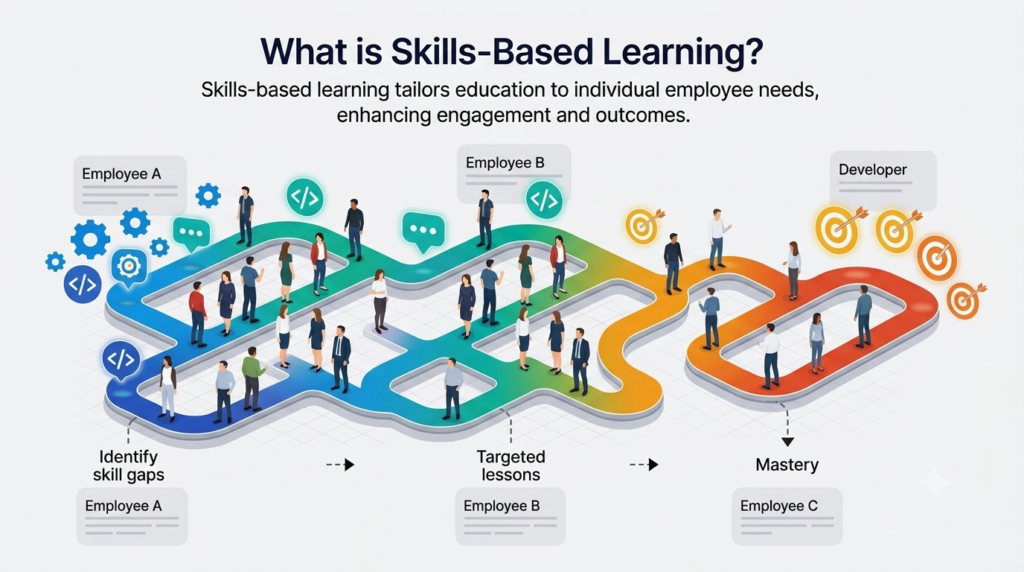
Skills-based learning is a training method that focuses on specific abilities. Instead of teaching a fixed course to everyone, it targets the exact skill a person needs. For example, a customer service worker may need better communication skills. A software developer may need coding skills. Each person gets a learning path based on their own gap. As a result, training becomes more personal and more useful.
This method is different from traditional training. Traditional training usually follows a set schedule. Everyone takes the same course, no matter their level. Skills based learning removes that limit. It uses real data to find what each employee already knows. Then it builds a plan around what they still need to learn.
Understanding Competency Based Training
Competency-based training is closely linked to skills-based learning. Both methods focus on ability rather than time spent studying. However, competency-based training usually centers on proving mastery through a test or a practical task. An employee moves forward only after showing they can perform a task well. This model is common in fields like healthcare, aviation, and manufacturing, where safety depends on proven skill.
Together, skills-based learning and competency based training create a strong system. One builds the skill. The other confirms it. Many companies in the USA now use both methods side by side to build stronger teams.
Why Traditional Training Is Losing Ground
Traditional corporate training worked well in the past. Yet today, business needs change quickly. New tools appear every year. Old training courses often become outdated before employees even finish them. Because of this, many companies feel stuck paying for programs that do not match real job needs.
There are several reasons why businesses are leaving this old model behind.
- Job roles change often, so fixed courses fall behind.
- Employees waste time on lessons they already know.
- Managers cannot easily measure real skill growth.
- Hiring based on degrees alone often misses skilled talent.
- Leaders lack clear data about workforce ability.
For these reasons, more organizations across the USA are choosing a smarter path forward.
The Benefits of Skills-Based Learning
Skills based learning offers many advantages for both employees and employers. First, it saves time. Employees only study what they truly need. Second, it improves accuracy. Companies can track real progress instead of guessing. Third, it supports growth from within. Workers can move into new roles because their actual skills are visible, not just their job title.
In addition, this method supports fairness. Everyone gets a chance to grow based on ability, not background or tenure. This creates a more open and honest workplace. It also helps companies plan. When leaders know exactly what skills exist in their workforce, they can prepare for future needs with confidence.
How Companies Are Making the Shift
Moving to skills-based learning takes planning. Most companies follow a few clear steps. First, they list the skills needed for each role. Next, they check what employees already know. Then, they build short and focused lessons to close each gap. Finally, they test real performance to confirm the skill was learned.
Technology plays a big role in this shift. Many businesses choose a modern learning platform to track skill growth in real time. Picking the right system matters a great deal, and our guide on how to choose the right LMS for your organization can help leaders compare their options.
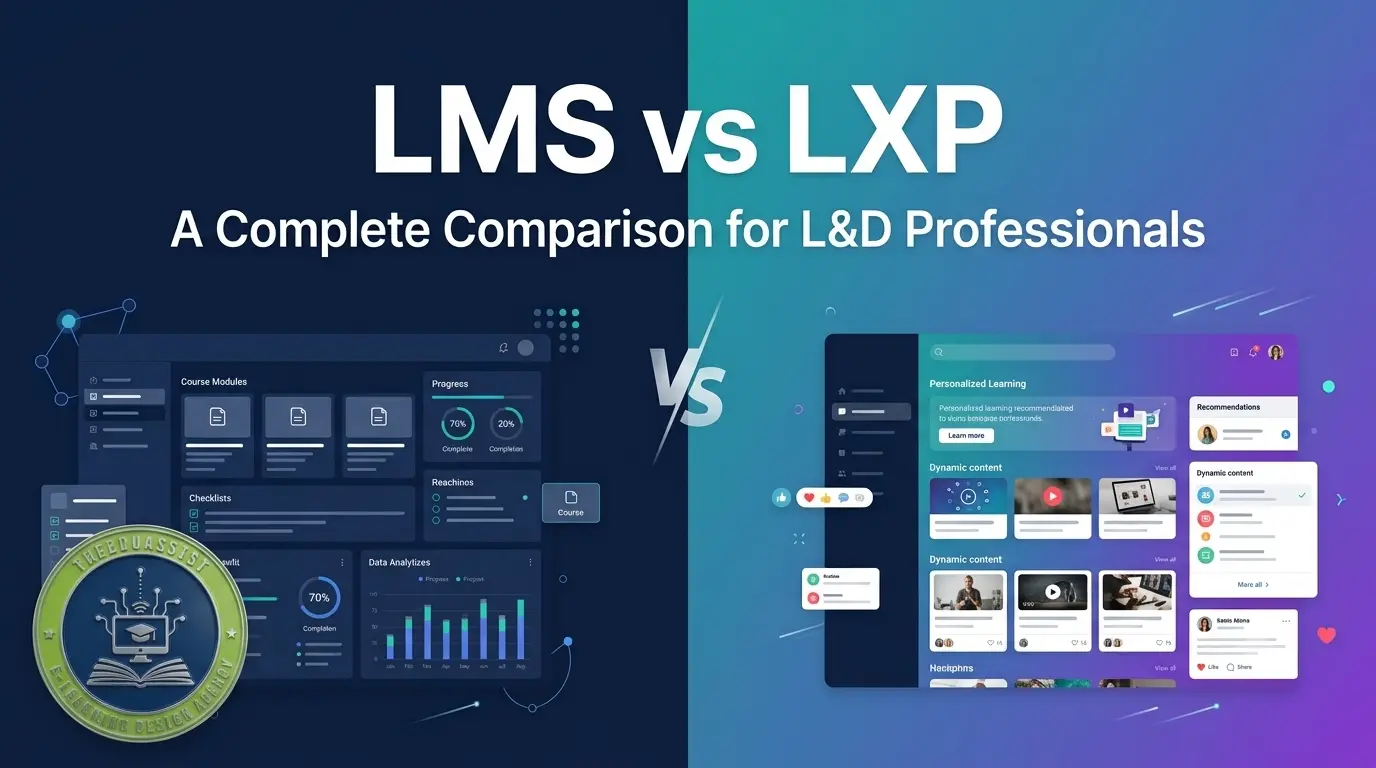
Some companies also compare a learning experience platform against a standard LMS before making a final choice. Our article on LXP vs LMS explains the difference in simple terms.
Once a company picks a new system, the next step is moving old data over safely. A clear plan matters here too. Our LMS migration checklist walks through this process step by step.
The Role of Technology in Skills Based Learning
Modern tools make skills based learning much easier to run. Artificial intelligence, for instance, can spot skill gaps faster than a manual review. It can also suggest the right lesson for each worker.
This kind of smart support is explored in our piece on AI powered learning, which looks at how automation is changing employee training.
For teams comparing older design methods with newer ones, our article on AI versus traditional instructional design offers a clear side-by-side view. Behind the scenes, many platforms now rely on shared data standards so systems can talk to each other.
Tracking learning data closely also depends on strong record-keeping. Our explainer on the xAPI learning record store shows how companies capture detailed skill data across many tools.
Measuring Success and Staying Compliant
A skills based program only works if a company can measure it. Leaders need proof that training leads to real results. Without clear numbers, it becomes hard to justify the investment.
Accessibility also matters during this shift. Every employee, including those with disabilities, should be able to use new training tools without trouble.
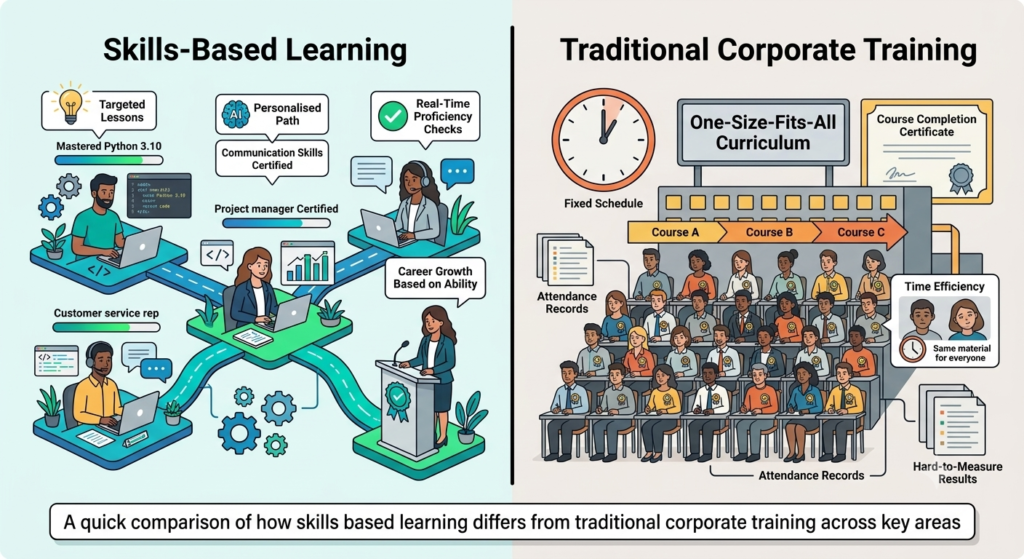
Skills Based Learning vs Traditional Corporate Training
A quick comparison of how skills based learning differs from traditional corporate training across key areas.
| Feature | Skills Based Learning | Traditional Corporate Training |
|---|---|---|
| Focus | Specific, measurable skills | Fixed courses or job titles |
| Pace | Personalised, moves at each employee’s speed | Same schedule for everyone |
| Content delivery | Targeted lessons based on real skill gaps | Broad, one size fits all curriculum |
| Progress tracking | Real time skill data and proficiency checks | Course completion or attendance |
| Flexibility | Updates quickly as job needs change | Slow to update, often outdated |
| Time efficiency | Employees skip what they already know | Employees repeat familiar material |
| Career growth | Based on proven ability | Based on tenure or title |
| Best suited for | Technical roles, fast changing industries | Basic onboarding, policy or compliance topics |
| Measurement of success | Clear performance data tied to business outcomes | Harder to connect directly to results |
| Common pairing | Often used with competency based training | Usually stands alone |
Is Skills Based Learning Right for Every Company
Not every business needs to change overnight. Small teams may find it easier to start with one department first. Larger companies often benefit from a slower, phased rollout. Either way, the shift toward skills based learning is growing steadily across the USA, and it shows no sign of slowing down.
As more industries adopt this method, employees gain a clearer path to growth. Companies gain a workforce built on proven ability rather than guesswork. Together, these changes point to a stronger and more flexible future for corporate training.
Final Thoughts
Skills based learning is reshaping how companies train their people. It replaces outdated, one size fits all courses with focused, measurable growth. When paired with competency based training, it gives businesses a reliable way to build real ability across every team. As more organizations in the USA adopt this model, traditional training methods are quickly becoming a thing of the past.
Frequently Asked Questions
Skills-Based Learning vs Traditional Corporate Training: Which Is More Effective
Skills based learning is generally more effective for building real, job ready ability. It focuses on actual gaps instead of a fixed course for everyone. Traditional training still works well for basic, company wide topics such as onboarding or policy reviews. For technical growth, though, skills based learning usually delivers faster and clearer results.
What Is Skills-Based Learning and Why Should I Care?
Skills based learning is a training method built around real, measurable ability rather than fixed courses or job titles. It matters because it helps employees grow faster, helps companies close real skill gaps, and creates a fairer path for career growth. Both workers and business leaders benefit from this clearer, more honest approach.
Is Skills-Based Learning Better Than Classroom Training for Technical Skills?
For technical skills, skills based learning often works better than a standard classroom setting. It allows hands on practice, quick feedback, and real proof of ability. Classroom training can still help introduce new concepts. However, ongoing technical growth usually benefits more from a flexible, skills based approach.
Which Skills-Based Training Platforms Have the Fastest Implementation Time?
Implementation speed depends on company size and how ready its existing systems are. Platforms with ready made skill libraries and simple integrations tend to launch faster than those needing a custom setup from the start. It is best to ask each vendor directly for a timeline, since real results depend on your organization’s specific needs and current data structure.
References
Society for Human Resource Management
LinkedIn Learning Workplace Learning Report
World Economic Forum Future of Jobs Report
Deloitte Insights Human Capital Tre
Authorised By
Hifza Naeem