
The demand for courses related to real estate investment is on the rise across New York, and at this point, field experts can turn their experience into scalable e-learning courses provided they employ smart instructional design and e-learning courses.
Why Real Estate Investors Are Entering the Online Education Market:
The demand for real estate education has grown significantly over the past decade. Aspiring investors increasingly look for structured learning programs that teach practical strategies for property analysis, deal structuring, and portfolio growth.
As a result, many experienced real estate professionals in New York are beginning to transform their expertise into online courses. Digital learning platforms allow investors to scale their knowledge, reach a broader audience, and build additional revenue streams beyond traditional property deals. Chad Carson and Tom Ferry are two of the most successful coaches in New York who have recognized and leveraged this potential in the real estate market.
However, creating a professional training program requires more than recording a few lectures or sharing personal experiences. Real estate investors often possess deep industry knowledge, but turning that expertise into a structured eLearning program requires careful instructional design and curriculum development.
This is where many projects encounter difficulties.
The Challenge of Converting Real Estate Expertise into Structured Learning:
A common request seen in the online course development space involves investors looking for templates, scripts, and proven frameworks to organize their training material.
Often, these clients explicitly state that they are not looking for beginners. They want specialists who understand both the real estate industry and professional course creation workflows.
The reason is simple: subject-matter expertise does not automatically translate into effective teaching.
Typical challenges include:
- Organizing complex knowledge into structured modules
- Writing lesson scripts that maintain learner engagement
- Creating learning activities that reinforce practical skills
- Designing assessments that measure real-world understanding
Without structured frameworks, courses can become collections of loosely connected lessons rather than cohesive training programs.
Why Many Real Estate Courses Fail to Deliver Value:
The real estate education market is highly competitive. While many courses promise insider knowledge, not all of them produce meaningful learning outcomes.
Several factors contribute to this issue.
Lack of Instructional Design and Structure
Some courses simply present recorded webinars or long lectures without organizing content into clear learning pathways.
Professional instructional design frameworks help ensure that each lesson builds on the previous one and contributes to a defined learning objective.
Overreliance on Personal Stories
While real-world experiences are valuable, relying exclusively on anecdotes can limit the educational value of a course.
Learners benefit most when insights are structured into repeatable strategies and frameworks.
Minimal Learner Interaction
Real estate investing involves decision-making, financial analysis, and strategy evaluation. Passive video lessons alone rarely provide sufficient practice opportunities.
Courses that incorporate exercises, case studies, and reflection activities tend to produce stronger learning outcomes.
The Risks of Poor Instructional Design in Real Estate Training Programs:
When course design is not approached strategically, several problems may arise.
- Low learner engagement
Students may lose interest if lessons feel unstructured or repetitive. - Reduced credibility
Investors selling education programs must maintain professional standards to build trust. - Limited scalability
Courses that require constant restructuring or clarification can be difficult to scale effectively.
For real estate professionals hoping to build long-term educational brands, these risks highlight the importance of structured curriculum design processes.
Instructional Design Frameworks for Real Estate Course Creation
To transform industry expertise into effective learning programs, course creators can use established instructional design frameworks that guide the development process.
Step 1: Identify Clear Learning Outcomes
The first step in course creation is defining what learners should be able to do after completing the program.
For example, a real estate investment course might focus on skills such as:
- Evaluating property deals
- Analyzing market trends
- Structuring financing strategies
- Managing rental portfolios
Clear outcomes help guide both lesson development and learner expectations.
Step 2: Structure the Curriculum
A strong curriculum organizes content into logical modules that gradually build learner knowledge.
Example structure:
| Module | Learning Focus |
|---|---|
| Module 1 | Foundations of Real Estate Investing |
| Module 2 | Market Research and Property Analysis |
| Module 3 | Financing and Deal Structuring |
| Module 4 | Risk Management and Portfolio Growth |
This structured progression ensures that learners develop skills step by step. The courses offered by Real Estate School of New York State are an example here. They offer structured modules-based learning experience along with microlearning opportunities.
Step 3: Use Storyboarding and Lesson Scripts
Professional course creators often begin with storyboarding to map out lesson flow before recording content.
Storyboarding helps define:
- The key concept of each lesson
- Examples or case studies to include
- Visuals and supporting materials
- Opportunities for learner interaction
Creating clear lesson scripts also improves video clarity and ensures that complex topics are explained effectively.
Step 4: Design Microlearning Lessons
Breaking content into smaller lessons can improve learner engagement and retention.
Microlearning modules typically include:
- Short video explanations
- Scenario-based examples
- Quick quizzes or reflection prompts
This approach works particularly well for busy professionals who prefer shorter learning sessions.
Quick Comparison: Traditional Real Estate Seminars vs Online Courses
| Factor | Traditional Seminars | Online Courses |
|---|---|---|
| Accessibility | Limited to local events | Global reach |
| Schedule | Fixed sessions | On-demand learning |
| Content Delivery | Lecture-based | Multimedia learning |
| Scalability | Limited | Highly scalable |
| Learner Engagement | Variable | Interactive activities possible |
For many investors, combining both formats provides the best balance between personal interaction and scalable education.
Cost Reality Check: Developing a Professional Real Estate Course
Building a high-quality course involves several potential investments.
Common cost areas include:
- Instructional design consulting services
- Video production or educational video editing
- Visual learning materials and slide design
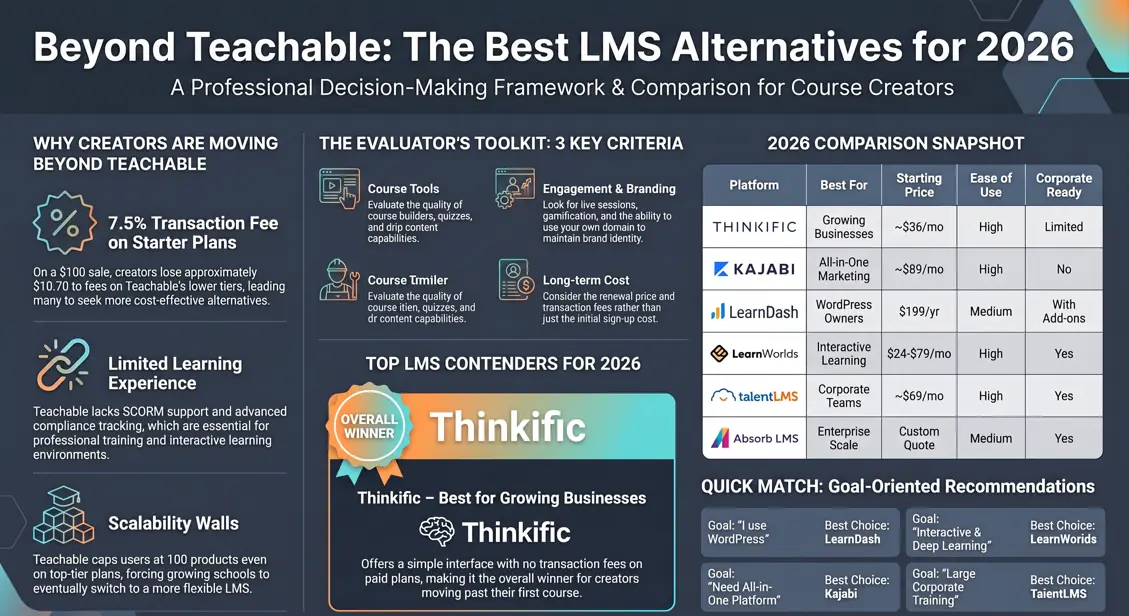
- Course platform subscriptions such as Kajabi or Thinkific
While some investors attempt to build courses independently, others collaborate with specialists offering custom e-learning development services to ensure professional structure and learner engagement.
The decision here depends on the complexity of the program and the desired level of production quality.
Summing Up
Real estate investors in New York possess valuable insights that many aspiring professionals are eager to learn. However, transforming that expertise into scalable online courses requires more than industry knowledge alone.
By applying structured instructional design frameworks, using storyboarding and microlearning strategies, and organizing lessons into clear learning pathways, course creators can build educational programs that are both engaging and scalable.
For investors seeking to create professional training programs, partnering with experts in custom e-learning development services can help ensure that their knowledge is delivered through well-designed, high-impact learning experiences.
Citations:
- https://www.coachcarson.com/learn-with-coach/
- https://www.tomferry.com/real-estate-coaching-programs/
- https://resnys.com/about-resnys/
Frequently Asked Questions
- How can real estate investors turn their expertise into online courses?
Investors can structure their knowledge using instructional design frameworks, organize lessons into modules, and deliver content through eLearning platforms that support scalable course creation. - What platform is best for real estate online course creation?
Popular platforms include Kajabi, Thinkific, and LearnDash, which support multimedia lessons, assessments, and learner engagement tools. - Why is instructional design important for real estate training courses?
Instructional design ensures that complex real estate strategies are organized into clear learning pathways, helping learners understand and apply concepts effectively. - How long should lessons be in a real estate online course?
Many successful programs use microlearning lessons lasting 5–10 minutes, allowing learners to absorb information without feeling overwhelmed. - Should real estate investors hire professionals for course development?
Many course creators collaborate with providers offering custom e-learning development services to ensure their training programs are structured, engaging, and professionally produced.