A well-designed curriculum is the critical foundation for any successful eLearning program.
Many educators, coaches, and EdTech startups begin with a great idea for an online course, but quickly realize that creating a structured learning experience requires more than simply recording videos. A professional eLearning curriculum involves clear learning outcomes, engaging multimedia content, and well-designed assessments.
This challenge is increasingly common among course creators across Victoria, Australia — particularly in cities like Melbourne, Geelong, and Ballarat — where educators are expanding their training programs into digital learning platforms.
Building a Successful Digital Learning Program
Organizations launching eLearning initiatives often search for professionals who can design:
- Engaging video scripts and lesson structures
- Clear voiceover narration
- Interactive quizzes and assessments
- Structured learning modules
In other words, they are looking for instructional design expertise.
In this guide, we’ll explore how to build a high-quality eLearning curriculum that delivers meaningful learning outcomes and scalable online education programs.
Why Curriculum Design Matters in eLearning:
Many course creators assume that uploading videos is enough to build an online course.
However, learners need a structured learning journey.
A well-designed eLearning curriculum typically includes:
- Clear learning objectives
- Logical lesson progression
- Multimedia learning materials
- Practical exercises
- Assessment strategies
Research consistently shows that structured digital learning programs improve learner engagement and knowledge retention compared with unstructured video libraries.
That’s why professional instructional designers focus on building a curriculum framework before producing course content.
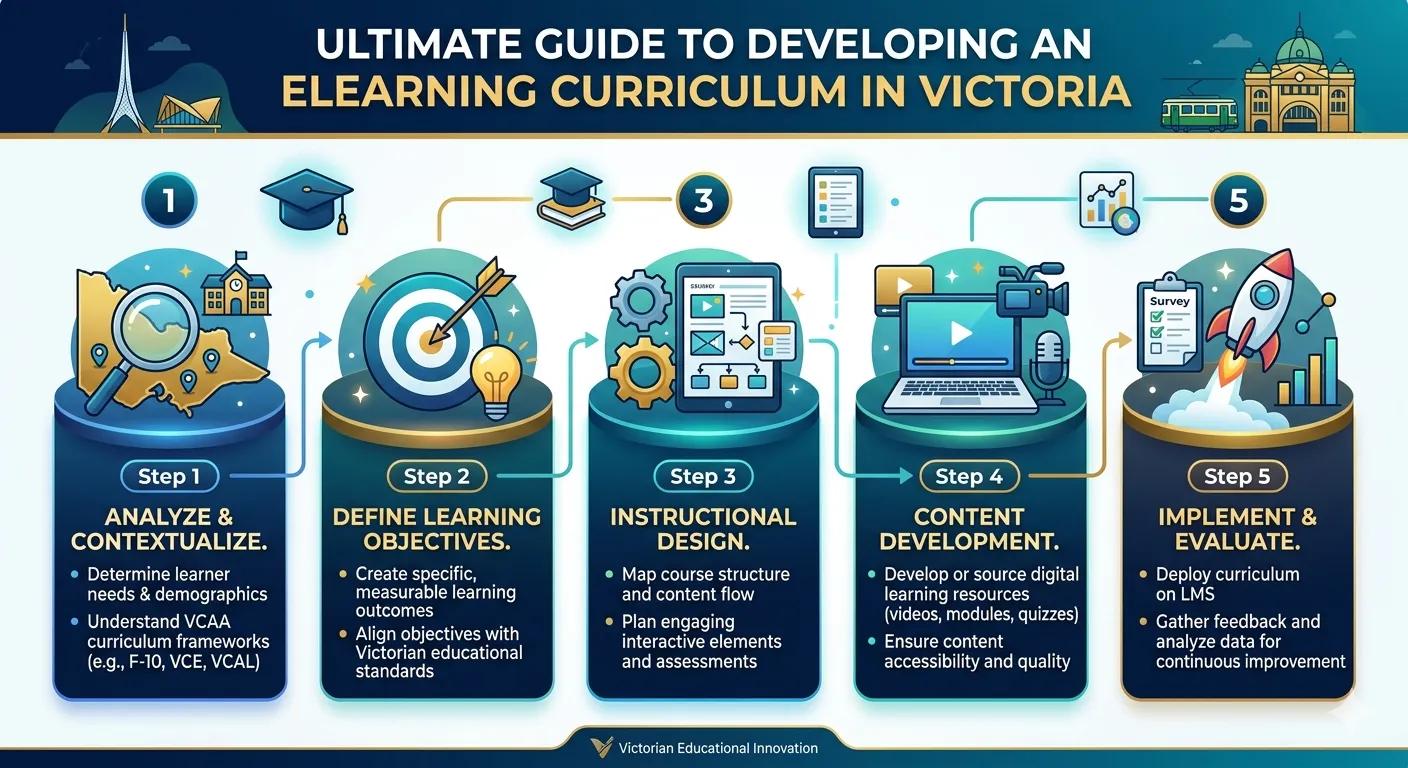
Step 1: Define the Learning Outcomes
Every effective eLearning curriculum begins with learning outcomes.
These outcomes define what learners will be able to do after completing the course.
For example:
- Instead of: “This course teaches digital marketing.”
- Use: “By the end of this course, learners will design and launch a complete digital marketing campaign.”
Outcome-based learning is a fundamental principle of instructional design and adult learning (andragogy).
Clear outcomes guide:
- Lesson development
- Video scripting
- Quiz creation
- Practical exercises
Step 2: Structure the Curriculum Into Modules
Once outcomes are defined, the next step is designing the course structure.
A typical curriculum structure might look like this:
ModuleLearning FocusModule 1Introduction and foundational conceptsModule 2Core frameworks and strategiesModule 3Practical tools and demonstrationsModule 4Case studies and applicationsModule 5Implementation project
This structure allows learners to move from theory to application, which is critical in professional education.
Many modern courses also incorporate microlearning, where lessons are divided into shorter segments for easier learning.
Step 3: Develop Engaging Video Scripts and Voiceovers
Video is one of the most powerful learning tools in digital education.
However, effective eLearning videos require structured scripts.
A typical lesson script includes:
- Lesson introduction
- Key concept explanation
- Visual example or demonstration
- Summary and key takeaways
Voiceover narration should be:
- Clear and conversational
- Concise and focused
- Supported by visuals or slides
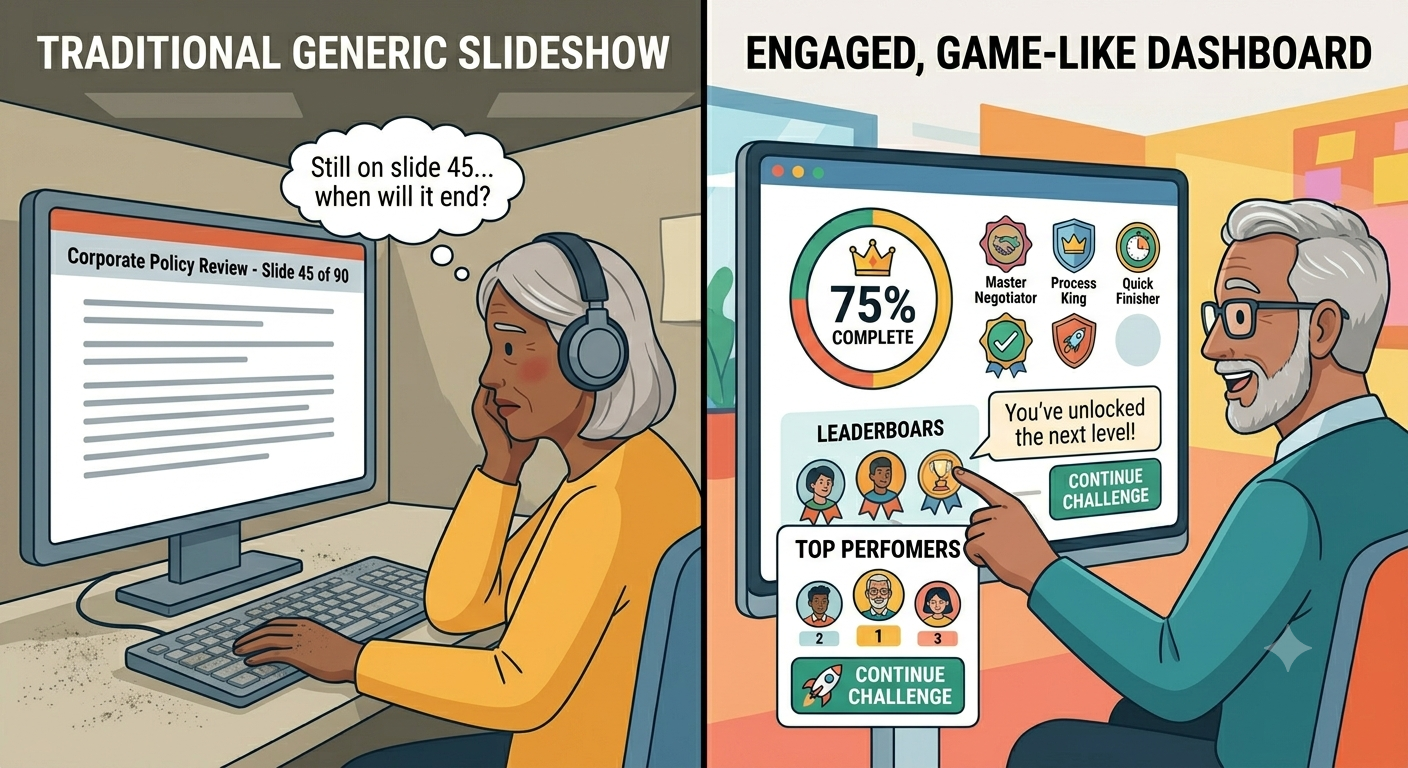
Combining visual storytelling and voiceover narration improves learner engagement significantly compared with static presentations.
Step 4: Design Interactive Learning Elements
Successful eLearning courses rarely rely on video alone.
Interactive learning activities help learners apply knowledge and stay engaged.
Examples include:
- Knowledge-check quizzes
- Reflection exercises
- Scenario-based questions
- Assignments or projects
- Peer discussions
Interactive learning elements are particularly important in corporate training and professional education, where practical application matters.
Tools such as Articulate Storyline, Articulate Rise 360, and Canva are widely used to create engaging digital learning content.
Step 5: Choose the Right LMS for Course Delivery
After developing the curriculum, the next step is selecting a Learning Management System (LMS) to host the course.
Popular LMS platforms include:
- Kajabi – Ideal for coaches and digital entrepreneurs
- Thinkific – Known for flexible course creation tools
- LearnDash – A WordPress-based LMS for customized learning environments
These platforms support features such as:
- Course modules and lesson sequencing
- Quizzes and assessments
- Student progress tracking
- Certificates of completion
- Community learning spaces
Choosing the right LMS ensures that learners experience a smooth and engaging learning journey.
Quick Comparison Table: LMS Platforms for eLearning Courses
PlatformBest ForKey StrengthKajabiCoaches and course businessesAll-in-one platformThinkificProfessional course creatorsFlexible course structureLearnDashCustom learning platformsWordPress integration
Each platform supports different teaching styles and business models.
Developing an eLearning Curriculum: Cost Check
Creating a professional digital curriculum requires several components.
Typical investment ranges include:
CategoryEstimated CostInstructional design consulting$1,500 – $6,000Video production and editing$1,000 – $4,000LMS subscription$39 – $199 per monthInteractive content design$500 – $3,000
For many course creators, investing in curriculum design significantly improves course quality and learner outcomes.
How TheEduAssist Helps Build Professional eLearning Curricula:
Designing a complete eLearning curriculum requires expertise in instructional design, multimedia development, and LMS implementation.
This is where TheEduAssist supports educators, EdTech startups, and training organizations.
TheEduAssist provides services including:
- Instructional design and curriculum development
- Custom eLearning course creation
- Educational video scripting and multimedia production
- Interactive learning module development
- LMS implementation and course setup
- Microlearning content development
These services help transform educational ideas into structured, engaging online learning programs that deliver measurable outcomes.
Final Thoughts:
Developing an effective eLearning curriculum in Victoria requires more than subject expertise — it requires thoughtful instructional design, multimedia learning strategies, and a well-structured digital learning environment.
By focusing on:
- Clear learning outcomes
- Structured course modules
- Engaging video content
- Interactive assessments
- Scalable LMS platforms
Educators and course creators in Melbourne, Geelong, and Ballarat can build online learning programs that deliver real educational impact.
A well-designed curriculum not only improves learner engagement but also helps transform knowledge into scalable digital education products.
References:
- https://www.coursebox.ai/blog/online-learning-statistics?utm
- https://worldmetrics.org/online-learning-growth-statistics/
- https://www.statista.com/topics/3115/e-learning-and-digital-education/
- https://simplyelearning.com.au/custom-elearning-course-development/
FAQs:
What is an eLearning curriculum?
An eLearning curriculum is a structured learning framework that includes course modules, video lessons, assessments, and learning activities designed to achieve specific learning outcomes.
Why is instructional design important for online courses?
Instructional design ensures that courses are structured logically, engaging, and aligned with adult learning principles, improving learner engagement and completion rates.
What tools help create interactive eLearning content?
Tools such as Articulate Storyline, Articulate Rise 360, Canva, and LMS platforms like Kajabi or Thinkific are widely used in professional course development.
How long does it take to develop an eLearning curriculum?
Depending on course complexity, developing a professional curriculum can take 4–12 weeks, including scripting, video production, and assessment design.
How can TheEduAssist help develop an eLearning curriculum?
TheEduAssist helps educators and organizations design structured curricula, produce multimedia learning content, and implement LMS platforms to deliver engaging online education.
Authored By: Sofia Arif