
Numerous training programs are unsuccessful due to the same reasons. Students often become overwhelmed with information, forget easily, or complete a course without fully understanding how to apply what they have learned. This normally does not occur because of what is teaching; it is the design of the training that is the issue. This content developed for informational purposes and throws light on instructional design best practices that based on learning science and industry experience.
Instructional design services come here. Instructional design is concerned with the way in which people learn, remember things, and use them in practice. Rather than having huge quantities of content, it packages learning in a manner that seems coherent, organized, and useful.
Through instructional system design, custom eLearning development, and eLearning content development, training can focus more for information delivery approach than actual understanding and quantifiable learning results.
what is instructional design
It is the process of planning, organizing, and creating learning experiences so people can understand information easily, remember it longer, and apply it in real life.
Designing Custom eLearning Supported by How People Learn
Learning does not happen by chance. It happens by design.
The custom eLearning development finds on the behavior of learners, cognitive science, and practice.
We create learning material to meet specific objectives, work assignments, and the needs of the learner, rather than using generic content. learning plans prepare in well method, and the material should organized in a manner that helps remember and learn.
When learning structured in the way people process information, then learning becomes less difficult to follow, less difficult to remember, and less difficult to apply in practice.
How Our Instructional Design Process Works
Good training does not impose information on learners. It guides them step by step. The design of the instructional system offers a systematic means of doing this.
Using Research-Based Learning Strategies
Evidence-based teaching methods can be useful in alleviating cognitive load and enhancing learning retention in the long term. These strategies facilitate various learning styles and help to make learning meaningful rather than overwhelming.
Setting Clear Learning Goals and Outcomes
All courses begin with specific learning objectives, such as terminal learning objectives and performance-based outcomes. Clarity of goals makes the learners know what they are supposed to attain and enables organizations to test whether the training is succeeding.
Creating a Clear Course Design
A structured course outline will ensure that learners are oriented and confident. There are logical sections of the content, simple ideas are presented at the beginning, and the complexity is built up. This design allows the elimination of confusion and facilitates consistent learning.
Storyboarding the Learning Experience
An instructional design storyboard plot charts the entire learning process prior to development. It establishes the flow of content, learning methods, interactions, evaluation, and use of media. This will be done to make sure that all that is in the course is in line with the learning objectives.
eLearning Content Development for the today’s Digital Learners
Digital learners expect clarity, flexibility, and relevance.
Contemporary students demand the flexibility, clarity, and relevance of learning materials. eLearning content development’s aim is to fulfill these conditions due to the careful design and digital learning tools.
Microlearning to Improve Learning Retention
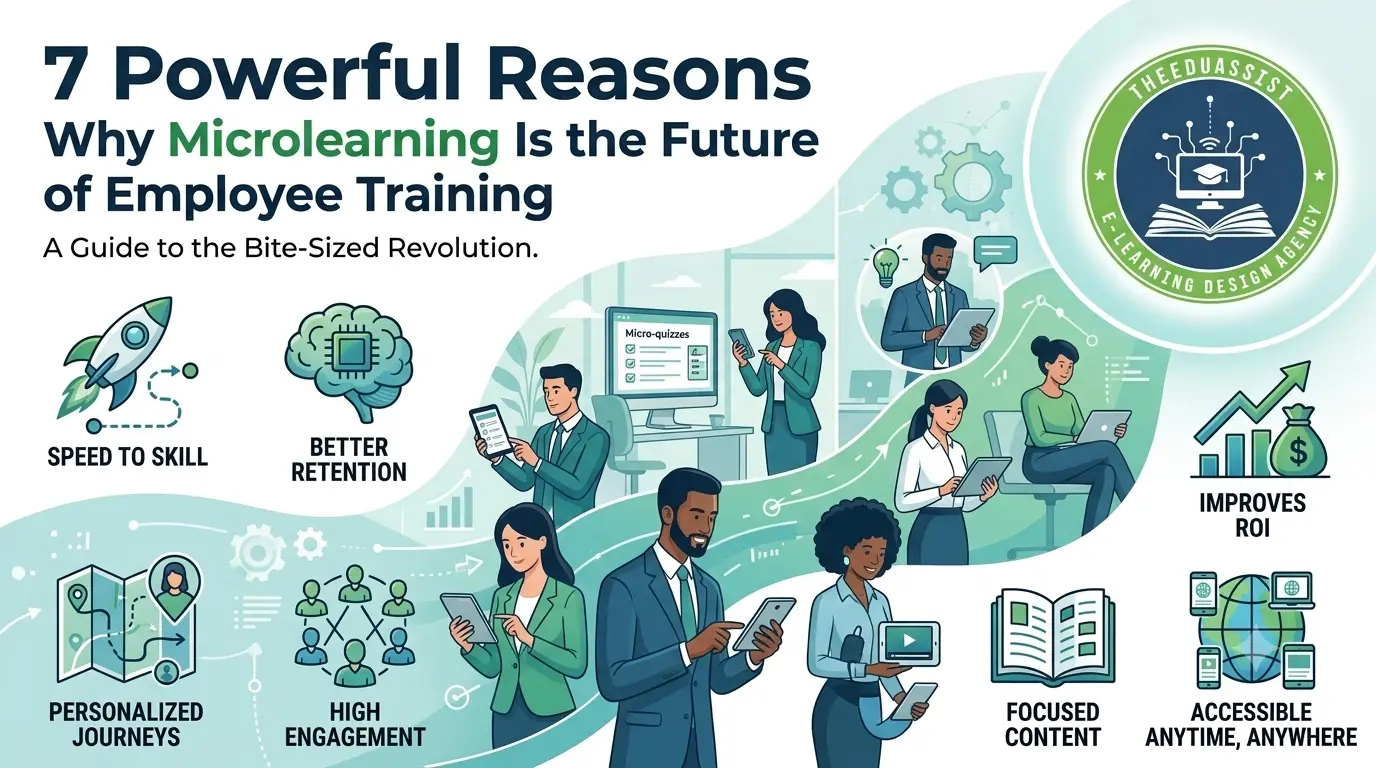
Microlearning platforms provide short and carefully targeted learning units, which simply finish and simply revisit. This method has a higher retention and is suitable even in a busy schedule.
Interactive and Engaging Online Learning
No one restricts a good use of e learning to static slides. To learners, interactive engagements and practice activities, as well as real-life problem solving, enable the application of learning.
Simple Screen Design and Learning Flow
Skid row design and straightforward navigation can be used to make the learners concentrate on learning rather than trying to understand how the course works. A constant flow of learning minimizes distractions and enhances learning.
Training Planning and Development That Improves Performance
Training planning and development bridge the gap between learning and actual performance requirements. The gaps in skills are identified, the learning strategies are chosen with a purpose, and the outcomes are measured after a period of time.
Instructional design aids in making sure that the training not only gets completed, but also is implemented in everyday work as well.
What an Instructional Designer Does for Your Business

many people think, what instructional designers do. The role and responsibilities of an instructional designer are to analyze the needs of learners, shape the goals of learning, plan learning activities, and organize the lesson content in a manner that will allow comprehension and retention.
The instructional designers are important in the onboarding, upskilling, reskilling, and long-term curriculum development.
Tools and Platforms We Use for eLearning Development
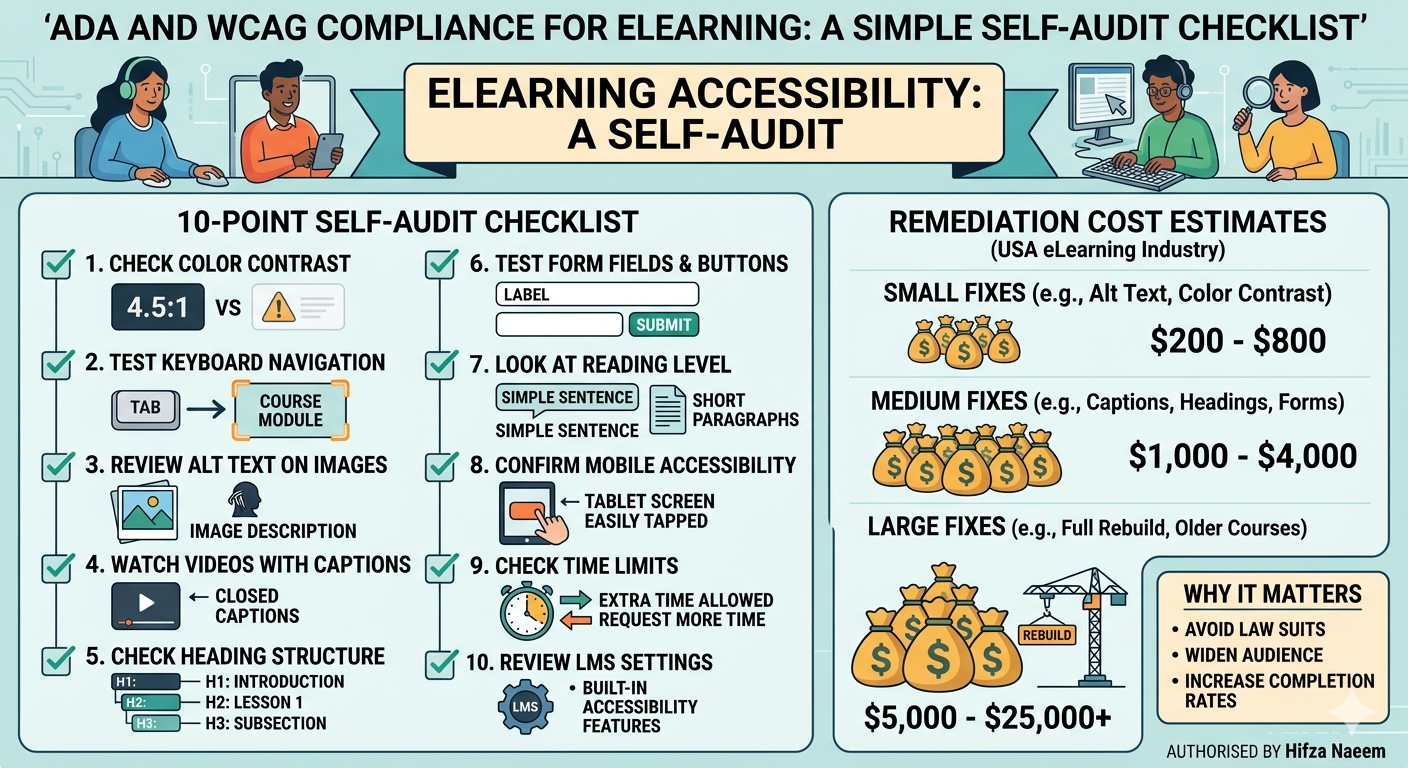
At EduAssist, we use technology to enhance learning through effective instructional design. We create structured and scalable eLearning solutions using learning management systems (LMS), microlearning platforms, interactive tools, and multimedia systems. All our courses follow SCORM standards and WCAG accessibility guidelines, ensuring a seamless and inclusive learning experience for all users.
It is no longer about the capabilities of technology, but about learning performance.
Who Can Benefit from Instructional Design Services?
Instructional design services are applicable to the corporate training staff, educational institutions, EdTech providers, professional certification programs, and all those who design instructional design courses or curricula.
learners can easily apply Instructional design in any organization that may desire that they comprehend, recall, and implement learning.
Why Businesses Choose Our Custom eLearning Solutions
Eduassist developed this Custom eLearning solutions to fulfill the needs of the learners, research-based teaching and learning, and long-term learning efficiency. Learning experiences created to facilitate actual performance and quantifiable outcomes rather than empty one-size-fits-all content.
Conclusion.
EduAssist provides instructional design services, custom eLearning development, and LMS-supported training solutions for businesses, educational institutions, and EdTech providers. Our instructional designers apply research-based learning strategies to create training programs that enhance understanding, retention, and real-world performance. Effective training does not relate to a lot of information shared. It refers to the level of comprehension, retention, and application of the learning process by learners.
Instructional design introduces organization, clarity, and meaning to learning. Following proper objectives, evidence-based methods, and careful content development will simplify the training and make it more efficient.
Proper designing of learning makes the learner assured rather than bewildered; the organization also experiences significant changes in performance.
Call to Action
If your current training is confusing, challenging to complete, or difficult to remember, instructional design allows you to understand what is not working and why. EduAssist helps organizations design clear, compliant, and effective digital learning experiences. A well-considered plan, well-organized design, and learner-centered design can help training lead to real understanding and real-world application.
Frequently Asked Questions
What are instructional design services?
Instructional design services are concerned with how learning is structured in an easy-to-understand, interesting, and efficient manner. The aim is to ensure that the learners reach certain conclusions, and not merely pass the content.
What is the difference between instructional design services and content creation?
Creation of content emphasizes what information is disseminated. Instructional design is concerned with the way that information is packaged, presented, and solidified to be learned.
Who supposes to use instructional design services?
It can benefit businesses, educational institutions, trainers, and organizations that develop either digital or in-person learning programs.
What is the effect of instructional design on learning retention?
It involves microlearning, clarity of structure, research-based approaches, and practical application, which enable the learners to memorize and use what they learn.
Is it possible to use instructional design in online learning?
Yes. Design of instruction is particularly required in eLearning and custom eLearning development, where the learners require clear direction and organization.