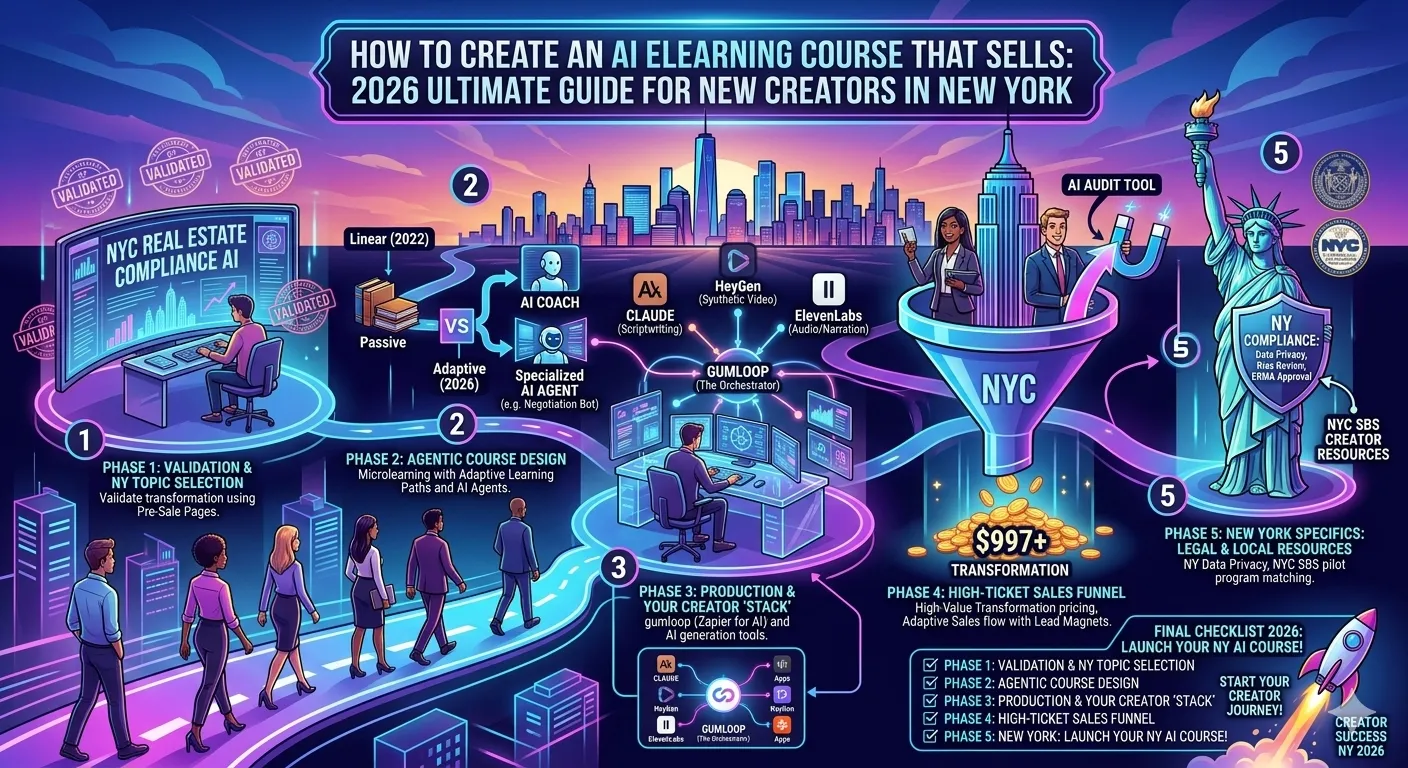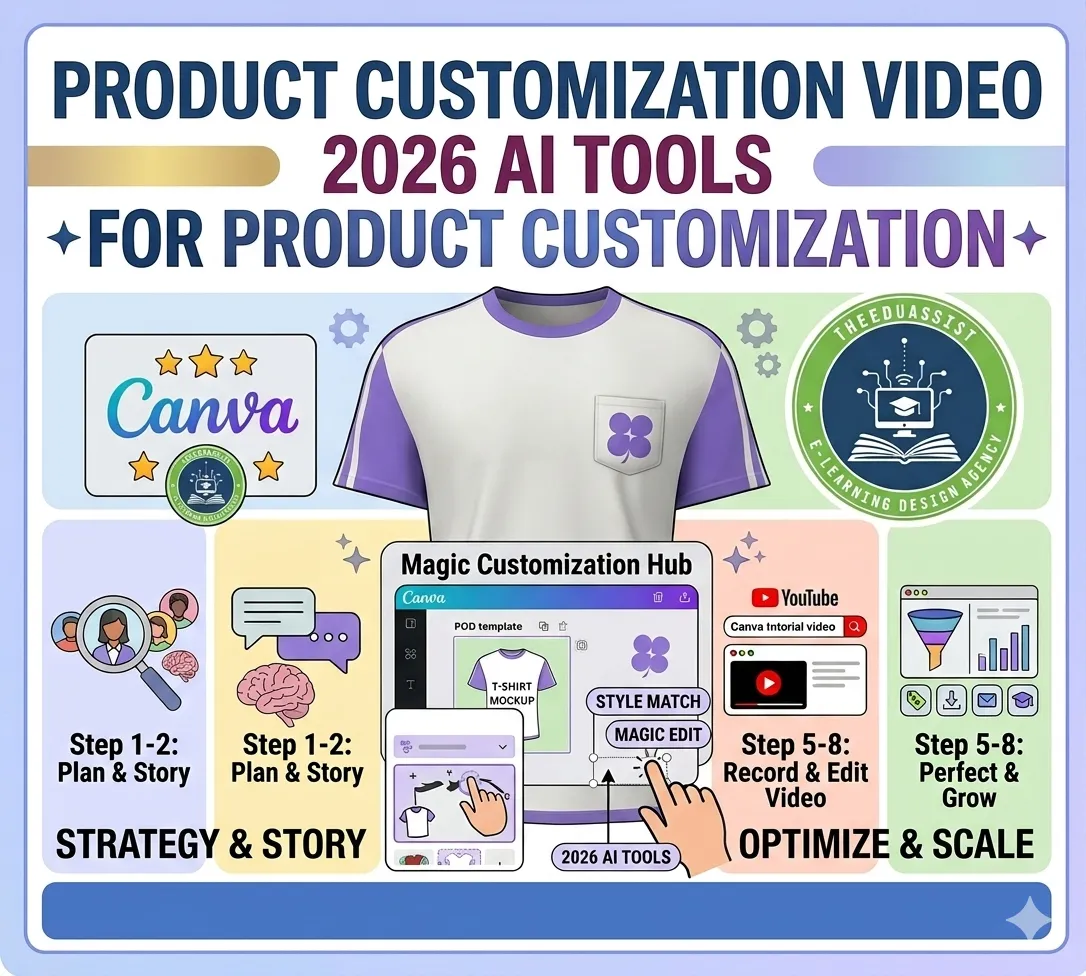
Training Video has become one of the most powerful tools for New York businesses looking to onboard employees faster, reduce training costs, and improve product knowledge retention. With the rapid adoption of artificial intelligence, creating professional training videos is now faster, cheaper, and more effective than ever before.
This comprehensive blueprint provides New York businesses with a complete step-by-step guide to producing high-impact AI-powered training videos for product training, compliance, sales enablement, and employee development.
In today’s fast-paced digital economy especially in innovation-driven hubs like New York—businesses are rapidly adopting AI-powered training video strategies to educate customers, onboard users, and scale product adoption. A well-designed video is no longer optional; it’s a competitive advantage.
Why Training Videos Matter for New York Businesses?
New York City’s competitive business environment spanning finance, tech, media, healthcare, fashion, and retail demands continuous learning. Traditional classroom training is expensive, difficult to scale, and hard to update.
Training videos solve these challenges by delivering consistent, on-demand learning that employees can access anytime, anywhere. Research shows that people retain 95% of information when they learn through video, compared to just 10% from reading text. Additionally, 77% of employees prefer video-based learning over other formats.
For businesses in New York, AI-enhanced videos offer even greater advantages:
- Significant cost savings (up to 79% reduction in production costs)
- Faster content creation (90% reduction in production time)
- Easy multilingual support for diverse NYC teams
- Higher engagement and better knowledge retention
Training videos have become one of the most effective learning formats in digital education and product onboarding.
- Viewers retain up to 95% of information through video vs. 10% via text
- Video-based learning can increase retention rates by up to 82%
- Over 70% of users prefer learning via video
For SaaS and automation products, this means:
- Faster onboarding
- Reduced support tickets
- Higher customer satisfaction
Key Benefits of AI-Powered training video:
Using AI to create training videos delivers measurable advantages for New York companies:
- Cost Efficiency: Traditional video production can cost thousands of dollars per minute. AI tools reduce this by 70-90%.
- Speed: What used to take weeks can now be completed in hours.
- Personalization: AI can generate role-specific or department-specific
- Scalability: Easily update videos when products change or new regulations are introduced.
- Analytics: Track completion rates, quiz scores, and knowledge retention in real time.
- Compliance: Ensure consistent messaging for regulated industries like finance and healthcare.
Step-by-Step AI training video Blueprint:
Follow this proven 6-step process to create effective training videos for your New York business.
Step 1: Define Goals and Audience
- Identify the specific product knowledge or skills employees need.
- Define your target audience (new hires, sales team, customer support, etc.).
- Align the video with clear business outcomes (faster onboarding, higher sales, reduced errors).
- Use AI tools to analyze existing SOPs, product documentation, or performance data.
Step 2: Generate High-Quality Scripts with AI
- Feed product details into AI script generators (Synthesia, HeyGen, Claude, or ChatGPT).
- Keep scripts conversational and engaging.
- Aim for 120–150 words per minute.
- Include clear learning objectives, real-world examples, and calls-to-action.
Step 3: Choose the Right AI Video Platform
Popular AI tools for creating training videos in 2026 include:
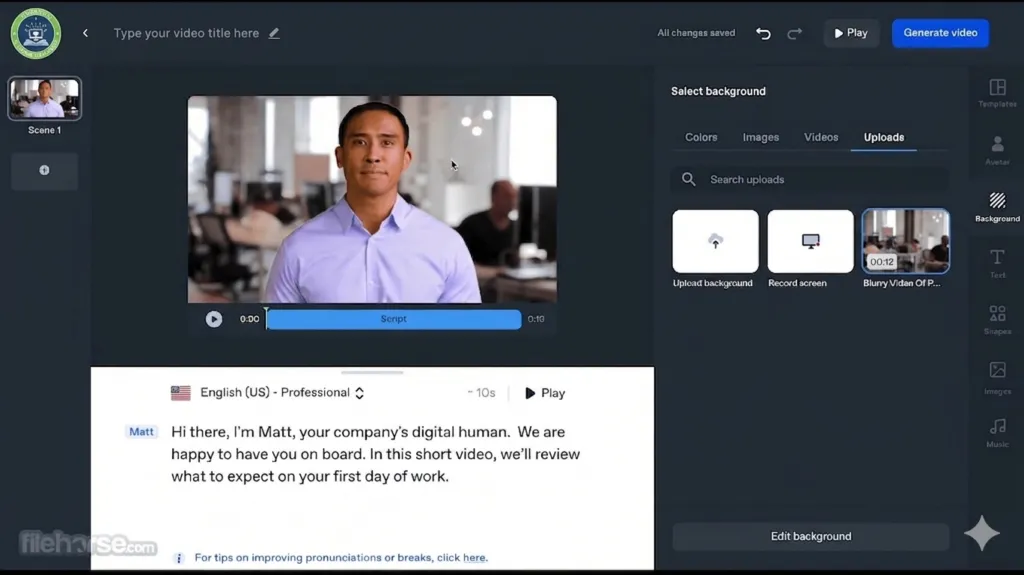
- Synthesia — Best for photorealistic avatars and enterprise
- HeyGen — Excellent for personalized and marketing-style videos
- Vyond — Great for animated explainer
- Descript — Ideal for screen recording with AI voiceovers
Step 4: Create the Video
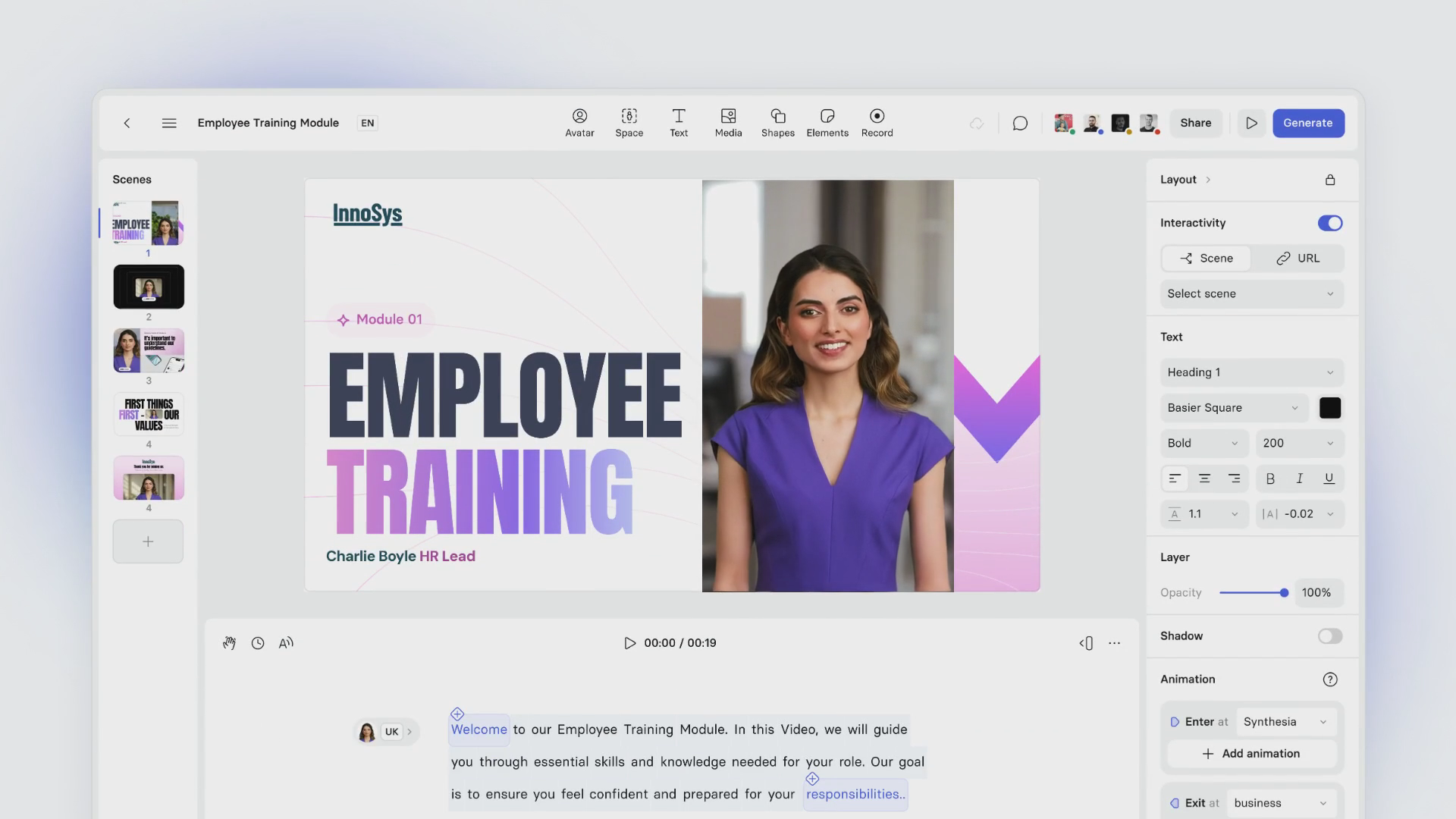
- Select or create a professional AI avatar that matches your company’s diversity.
- Choose natural-sounding voices (including regional accents if needed).
- Upload product screenshots, charts, or screen recordings.
- Add interactivity such as quizzes, clickable links, or branching scenarios.
Step 5: Edit, Review, and Optimize
- Fine-tune timing, transitions, and text overlays.
- Add subtitles for accessibility.
- Test the training video on mobile devices (common for NYC professionals on the go).
- Ensure compliance with New York data privacy and labor regulations.
Step 6: Distribute and Measure Results
- Upload to your Learning Management System (LMS), Microsoft Teams, or SharePoint.
- Share via email, Slack, or internal portals.
- Track key metrics: completion rate, quiz scores, time spent, and business impact.
- Use insights to continuously improve future training videos.
Best AI Tools for training video in 2026
- Synthesia: Industry leader for corporate training videos with 230+ avatars and 140+ languages.
- HeyGen: Strong for custom avatars and quick personalization.
- Vyond: Best for animated product explanation videos.
- Camtasia + AI plugins: Powerful for detailed screen-based product demos.
Most platforms offer free trials and ready-made templates specifically designed for product training.
Source: https://www.gyrus.com/wp-content/uploads/2024/09/synthesia-ai-video-creator-screenshot-04.webp
Real-World Results
Companies using this AI training video approach have reported:
- 90% faster video production
- 79% lower production costs
- 30% higher employee engagement
- Significantly improved knowledge retention
New York businesses can also leverage local resources such as the NYC AI Nexus, Entrepreneurship Assistance Centers, and CUNY/SUNY AI workforce programs to support implementation.
Best Practices for Maximum Impact
- Keep individual training videos under 10 minutes when possible.
- Break complex product training into short, focused modules.
- Add interactive elements (quizzes, scenarios) to boost retention.
- Update videos regularly as products evolve.
- Combine AI training videos with live Q&A sessions for best results.
AI-Powered training video Workflow (Daily Production Model)
For businesses producing 1 video per day, follow this system:
- Topic selection
- Script writing (AI-assisted)
- Approval & revisions
- Screen recording
- AI voiceover generation
- Editing + branding
- Publishing
Common Training Video Mistakes to Avoid training video:
| ❌ Mistake | ✔ Solution |
|---|---|
| Long, boring videos | Break into micro-content |
| No clear objective | Focus on one outcome per video |
| Passive content | Add interaction |
| Poor audio quality | Use professional voiceovers |
| Overloading information | Chunk content strategically |
Best Use Cases for Product training video:
Businesses use training videos for:
- Customer onboarding
- Feature tutorials
- Sales enablement
- Internal team training
- Customer support automation
Future of training video: AI + Personalization
The future includes:
- AI-generated personalized learning paths
- Adaptive video content
- Real-time analytics
- Interactive simulations
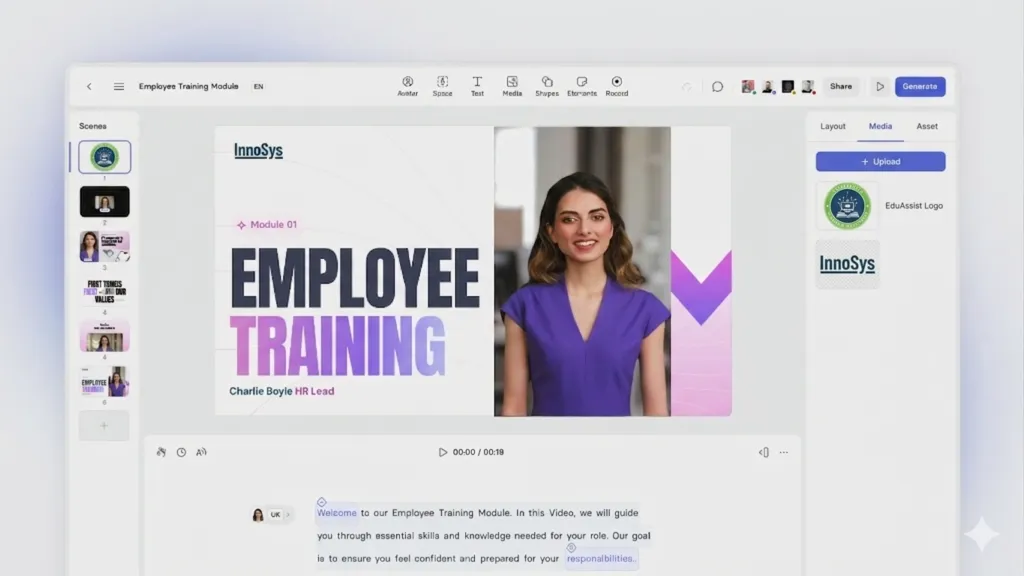
Training videos are evolving from static content into intelligent learning systems.
Source: https://image.mux.com/01dn4UjFvKt6AfSPGicmykRq75waTKiqUffgSIqo02900I/thumbnail.png?time=3
Conclusion:
A high-quality video is more than just a walkthrough it’s a strategic learning asset.
By combining:
- Instructional design
- AI tools
- Microlearning
You can build a scalable training video system that improves engagement, retention, and product adoption.In today’s competitive digital landscape, Training Videos have become an essential tool for businesses looking to scale education, improve onboarding, and enhance user experience. When designed with strong instructional principles and powered by AI, training videos can transform complex product workflows into clear, engaging, and actionable learning experiences.
The key to success lies in keeping training videos focused, interactive, and user-centric. By applying microlearning strategies, maintaining high production quality, and leveraging AI tools, businesses can consistently produce impactful content that drives real results.
Ultimately, well-crafted Training Videos are not just content they are a long-term asset that improves customer satisfaction, reduces support costs, and accelerates product adoption.
References:
https://www.ngram.com/blog/industry-news/ai-video-statistics-2026
https://vivideo.ai/blog/ai-video-statistics-2026
https://www.forbes.com/advisor/business/ai-statistics
https://elearningindustry.com/case-studies-successful-ai-adoption-in-corporate-training
FAQs About training video
1. What are training videos?
Training videos are instructional video content designed to teach users how to use a product, understand a concept, or complete a specific task efficiently.
2. Why are training videos important for businesses?
Training videos help businesses streamline onboarding, reduce customer support queries, and improve user engagement by providing visual and easy-to-follow instructions.
3. What is the ideal length ?
The ideal length of training videos is typically 2–6 minutes, focusing on a single objective to maximize engagement and retention.
4. How can AI improve?
AI can enhance by:
- Generating scripts
- Creating voiceovers
- Automating editing
- Personalizing learning experiences
5. What tools are best for creating ?
Popular tools for creating training videos include screen recording software, video editors, and AI-powered platforms for voiceovers and avatars.
6. How do you make it more engaging?
To improve engagement :
- Use storytelling
- Add subtitles and visuals
- Include interactive elements
- Keep content concise and focused
7. Can training videos replace live training?
Training videos can replace many aspects of live training, especially for repetitive tasks, but they work best when combined with interactive or live support when needed.
Authored By: Atiqa Sajid http://www.linkedin.com/in/atiqa-sajid-747b57137