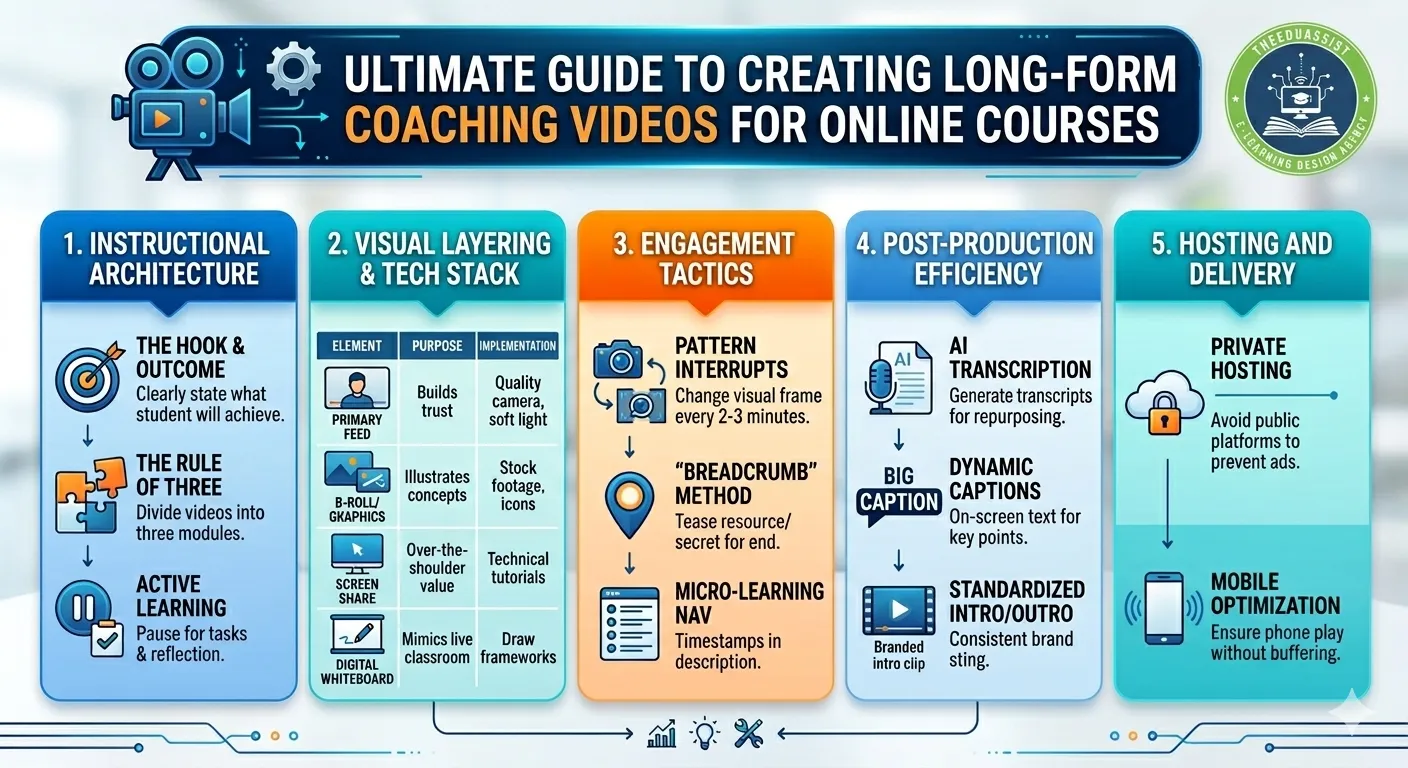
Free DEI mini-course on pregnancy, maternity & sex inclusion in the workplace. Short videos + workbook. Build better inclusive leadership today.
Free DEI Mini-Course: Pregnancy, Maternity & Sex Inclusion in the Workplace

Pregnancy, maternity, and sex-related equity issues are addressed through structured diversity, equity, and inclusion (DEI) initiatives in modern organisations. Challenges connected to these areas are recognised as significant barriers to fair treatment and career progression. Employees experiencing pregnancy or returning from maternity leave often encounter biases that shape their professional journeys. These biases are commonly referred to as the “maternal wall,” and they are carefully examined in well-designed DEI training programs.
Understanding Pregnancy and Maternity Discrimination
Discrimination based on pregnancy continues to be documented across various industries. Reports indicate that approximately one in five mothers have experienced pregnancy-related workplace discrimination. In the United States, the Equal Employment Opportunity Commission (EEOC) received thousands of formal complaints in recent years, with many involving firings, reassignments, or harassment. Similar patterns are observed globally, where negative treatment during pregnancy or maternity leave leads to reduced opportunities or forced exits from roles.
These experiences are not isolated. Statistics show that a notable percentage of pregnant employees face changes in job responsibilities or missed promotions. In some analyses, around 11% of mothers report being dismissed, made redundant, or feeling compelled to leave due to pregnancy or maternity issues. When scaled, this could affect tens of thousands of individuals annually. Harassment or negative comments are also reported by a substantial number of employees during this period.
Legal Frameworks Supporting Inclusion
Workplace inclusion related to pregnancy is strengthened when organizations review and update policies regularly. Reasonable accommodations are provided to support employees during pregnancy, childbirth, and related medical conditions. The Pregnant Workers Fairness Act (PWFA) requires covered employers to offer accommodations for known limitations arising from pregnancy, unless undue hardship is caused. This law applies to employers with 15 or more employees and emphasizes fair treatment
Additional protections are extended through the PUMP Act, which ensures nursing employees receive reasonable break time and a private, non-bathroom space to express breast milk for up to one year after childbirth. These measures are implemented to reduce barriers and promote continued workforce participation.
Laws such as these are reinforced in DEI training so that managers and teams understand their obligations. Discrimination based on sex or pregnancy is treated as a protected characteristic under anti-discrimination frameworks. Employees are supported in ways that ensure their abilities and contributions are evaluated fairly, without assumptions influenced by maternity status.
The Role of Unconscious Bias in Workplace Decisions
Unconscious bias is addressed in DEI programs because it influences decisions without deliberate intent. Assumptions that pregnant employees are less dedicated or that maternity leave disrupts team productivity are challenged through targeted education. Leaders are guided to focus on skills and results rather than stereotypes. This shift leads to more equitable environments where talent is retained more effectively.
Reflection prompts are incorporated into supporting workbooks to encourage individuals to examine their own perspectives and workplace dynamics. These prompts foster personal awareness without requiring additional content creation.
Best Practices for Maternity Inclusion
Best practices for maternity inclusion are put into action when flexible working arrangements are offered thoughtfully. Return-to-work programs are designed to ease the transition after maternity leave. Breastfeeding accommodations, including private spaces and scheduled breaks, are arranged in compliance with legal standards. These steps help maintain employee engagement and reduce dropout rates.
Mental health impacts linked to pregnancy-related discrimination are acknowledged in comprehensive training. Higher levels of stress, anxiety, or depressive symptoms are associated with negative workplace experiences in various studies. Social support within teams is strengthened so that employees feel valued throughout pregnancy and the postpartum period. Open dialogue is promoted in safe settings, such as employee resource groups, where concerns can be raised constructively.
The Motherhood Penalty and Career Progression
The motherhood penalty is examined as a recognized phenomenon in which earnings and advancement opportunities are affected, particularly for mothers. Research indicates that mothers may experience persistent reductions in income and slower career growth compared to counterparts without children. This gap is analyzed so that systemic factors can be addressed through policy reviews and transparent advancement criteria.
Pay equity assessments are conducted periodically, and clear, non-discriminatory processes are established for hiring, promotions, and performance evaluations. Diverse perspectives are sometimes incorporated into decision-making panels to support balanced outcomes.
Sex Inclusion Beyond Pregnancy
Sex inclusion in the workplace is advanced when distinctions based on sex are not used to limit opportunities. Training ensures that all forms of sex-based discrimination are prevented. Inclusive language is encouraged in communications and documentation to avoid unintended exclusions. Pregnancy is handled as one aspect of broader sex equity considerations.
Challenges persist even with existing laws. Employees in certain fields or sectors report higher rates of breastfeeding discrimination or insufficient accommodations. Awareness is raised so that leaders can advocate for internal practices that go beyond minimum legal requirements.
Benefits of Effective DEI Training on These Topics
Benefits of strong pregnancy and maternity inclusion are realized over time. Higher retention rates for talented employees are observed in organizations with supportive cultures. Reduced legal risks from discrimination claims are achieved when proactive training and clear policies are maintained. Teams become more cohesive as trust and a sense of belonging are fostered.
Data on demographic experiences is reviewed carefully to identify patterns of disadvantage. Targeted improvements are then implemented based on these insights. Organizations prioritizing these areas often report gains in employee morale, retention, and innovation capacity.
How This Free DEI Mini-Course Supports Learning
This free DEI mini-course covers sex, pregnancy, and maternity topics in a concise format. Short videos present essential concepts, while a dedicated workbook chapter includes built-in reflection prompts. The module is designed to be completed at a self-paced rhythm, often within 20 to 40 minutes.
No new writing is required from participants because the materials draw from pre-existing, high-quality content. Actionable insights are gained through engagement with the videos and workbook sections. Practical strategies are highlighted, such as conducting appropriate risk assessments or reviewing flexible working policies.
The course is set to free access and generates a public link for easy sharing with teams or professional networks. It forms the first module in a broader free DEI series that will address additional protected characteristics, including race, gender, disability, sexual orientation, religion, and socioeconomic status.
External Links:
What You Should Know About the Pregnant Workers Fairness Act (PWFA):
https://www.eeoc.gov/wysk/what-you-should-know-about-pregnant-workers-fairness-act
Pregnant Workers Fairness Act – Full Statute & Overview:
https://www.eeoc.gov/statutes/pregnant-workers-fairness-act
EEOC Enforcement & Litigation Statistics (including pregnancy discrimination charges):
https://www.eeoc.gov/data/enforcement-and-litigation-statistics-0
Moving Toward Continuous Improvement
Ongoing education is emphasized because single training sessions are often insufficient for lasting change. Regular refreshers keep knowledge current as laws and best practices evolve. Leaders are supported in creating inclusive environments through consistent application of learned principles.
Equity related to sex, pregnancy, and maternity is advanced when organisations commit to systematic review and adjustment. Challenges are met with evidence-based approaches drawn from research and legal standards. Employees are enabled to contribute fully without disadvantage tied to these protected characteristics.
This mini-course is developed by repurposing existing summits, videos, and workbooks into accessible, chapter-based formats. The overall goal is to make valuable DEI resources widely available so that more leaders, managers, HR professionals, and equity advocates can strengthen inclusive practices in their workplaces.
Enrolment in the free mini-course on pregnancy, maternity, and sex inclusion is straightforward. The content equips participants with foundational awareness that can be applied immediately. Workplaces are improved when biases are recognized and addressed thoughtfully. Inclusive leadership is cultivated through steady learning and deliberate action.
In summary, pregnancy, maternity, and sex inclusion are integral components of comprehensive DEI strategies. When these areas are supported with care and structure, organisations become fairer, more productive, and better able to retain diverse talent. This free resource provides a practical starting point for meaningful progress in building equitable professional environments.