- What Is Education?
- Why Do We Need Education?
- Education and Its role in Life
- The Value of Education in Children
- Top Reasons Why Education Is Important
- Education Is Necessary for Other Reasons
- Education in the Contemporary World
- Scope of Education
- Conclusion
- Frequently Asked Questions
The basis of personal development, social development, and development in the world is education. It does not so much depend on classes, textbooks, or even degrees; education defines how individuals think, act, make choices, and contribute to society. Education has been the most significant in a fast-changing world as it affects careers and lifestyles, economies, and future generations.
This paper will answer the questions: what is education, why do we need education, the purpose of education in life, why education is important to children, the most effective reasons why education matters, the relevance of education in the contemporary world, sources of educational success, the scope of education, its importance, and others.
What Is Education?
Education refers to the learning, experience, teaching, and training of gaining knowledge, raw skills, values, beliefs, and habits. It makes people know more about the world and makes them ready to struggle with the difficulties of life.
Education may be formal, e.g., schooling, higher education, or informal e.g., learning by experience, interaction, and self-study. In whatever shape it may take, education is one of the most important activities in developing character, enhancing skills, and driving people towards meaningful lives.
Why Do We Need Education?
Education is necessary as it gives a purpose and a guideline. In the absence of education, people can hardly know their rights, duties, and opportunities.
We need education to:
- Learn and become aware.
- Learn how to work and be self-sufficient.
- Enhance decision-making skills.
- Develop self-esteem and self-sufficiency.
- Give back to society.
Education gives one the power to transcend boundaries and come up with improved prospects for oneself and for others.
Education and Its role in Life
Education has a far greater effect on normal day-to-day life than one might be aware of. Education assists persons to make simple decisions and deal with complex situations effectively and responsibly.
Education is helpful in everyday life:
- Speak effectively and fluently.
- Stay financially and resource-wise.
- Know health, safety, and well-being.
- Use technology effectively
- Solve problems logically
A well-educated individual is in a better position to cope with change, the acquisition of new skills and responsibilities at home, at work, and in society.
The Value of Education in Children
This is particularly vital in children since they are given a basis for their future through education. The kind of thinking patterns, behavior, values, and attitudes developed through early education remain lifelong.
Reasons Education Is Important to the Children
- It develops fundamental literacy and numeracy.
- It becomes curious and creative.
- It educates about discipline and responsibility.
- It enhances emotional and social proficiency.
- It is equipping children with their future studies and jobs.
The children who are educated become grown-up, assured adults able to make a valuable contribution to society. Education aids in ending the poverty cycles and provides equal opportunities to every child, irrespective of their background.
Top Reasons Why Education Is Important

Education Enhances Professional Prospects
Education exposes one to more job prospects and professional development. Employers place high importance on qualified, learned, and flexible people who can make good contributions.
Education Gives Strength and Self-Sufficiency
Knowledge builds self-confidence. The educated ones tend to be more expressive, take the initiative, and make their own decisions.
Education Promotes Critical Thinking
Education also trains individuals to think critically and solve problems by resolving them instead of accepting information at face value.
Education Enhances Equality
People with various social and economic backgrounds get equal opportunities through education, thus inequality and discrimination are minimized.
Education Favors Economic Growth
A well-trained and competent workforce enhances productivity, innovation, and economic stability.
Education Is Necessary for Other Reasons
Education has a wider influence beyond career and income, which affects society as a whole.
Education:
- Enhances social coexistence and tolerance.
- Reduces crime and poverty
- Enhances health consciousness and lifestyle.
- Promotes civic duties.
- Favors environmental consciousness.
The above advantages demonstrate that education is not a personal gain, but a social requirement.
Education in the Contemporary World
Education in the present-day world has been developed in a number of ways. Innovation, globalization, and technology have changed the way people learn or work. Conventional education is not sufficient anymore.
Modern education focuses on:
- Technology and digital literacy.
- Problem-solving and creative ability.
- Communication and co-operation.
- Never-ending education and re-education.
- Application of knowledge in practical life.
Education now needs to equip learners with future careers that are yet to be determined, as well as the challenges that are evolving faster.
Practical, engaging, and courses that are relevant to the needs of the real world can encourage learners to attain personal and professional success.
Education Is Important in Society
The value of education is not confined to individuals but to the whole society. Societies that have been educated are more stable, innovative, and progressive.
Education:
- Ensures reinforcement of democracy.
- Promotes moral judgment.
- Develops educated communities.
- Comforts social and economic progress.
The society that attaches importance to education invests in the future and guarantees further development and sustainability.
Scope of Education
The field of education is very large, and it is constantly growing. It includes:
- Formal (schools, colleges, universities) education.
- Professional and occupational training.
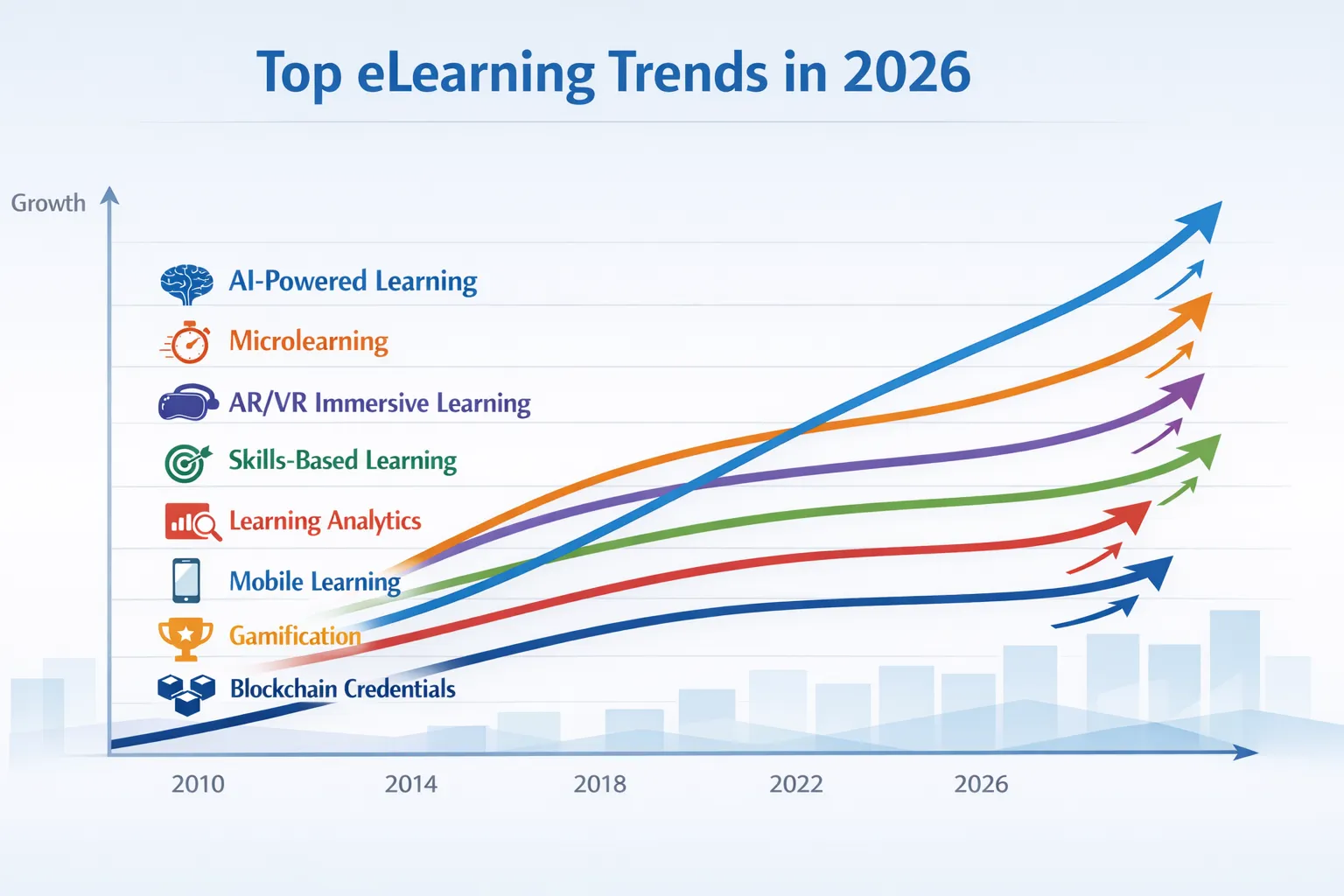
- Online and digital learning
- Training on skills and on a corporate basis.
- Self-directed and lifelong learning.
Due to the development of industries, the level of education expands and encompasses new skills, technology, and modes of learning.
Conclusion
Personal success and the development of society are supported by education. It creates personalities, empowers societies, and fuels economic development. From childhood education up to lifelong education, education affects all the stages of life.
In a contemporary, rapidly evolving society, education should be practical, inclusive, and responsive. Through investment in quality education, individuals can open up opportunities, societies can be less unequal, and nations can head to a greater, more sustainable future.
Education is not the preparation for life; it is life.
Frequently Asked Questions
So What Is the Value of Education in Life?
Education assists people to be informed, skilled, confident, and aware, in order to make informed choices to live responsibly.
What Is the Usefulness of Education in Everyday Life?
Education enhances communication, problem-solving, money management, health consciousness, and flexibility.
And What Is the Significance of Education to Children?
Education is the foundation of the future of a child as it develops skills, values, confidence, and social awareness.
What Does Education Play in the Contemporary World?
Education equips a person with the changing technology, careers, and lifelong learning.
So What Is the Extent of Education Now?
The education area encompasses formal studies, skill training, internet learning, and lifelong development.