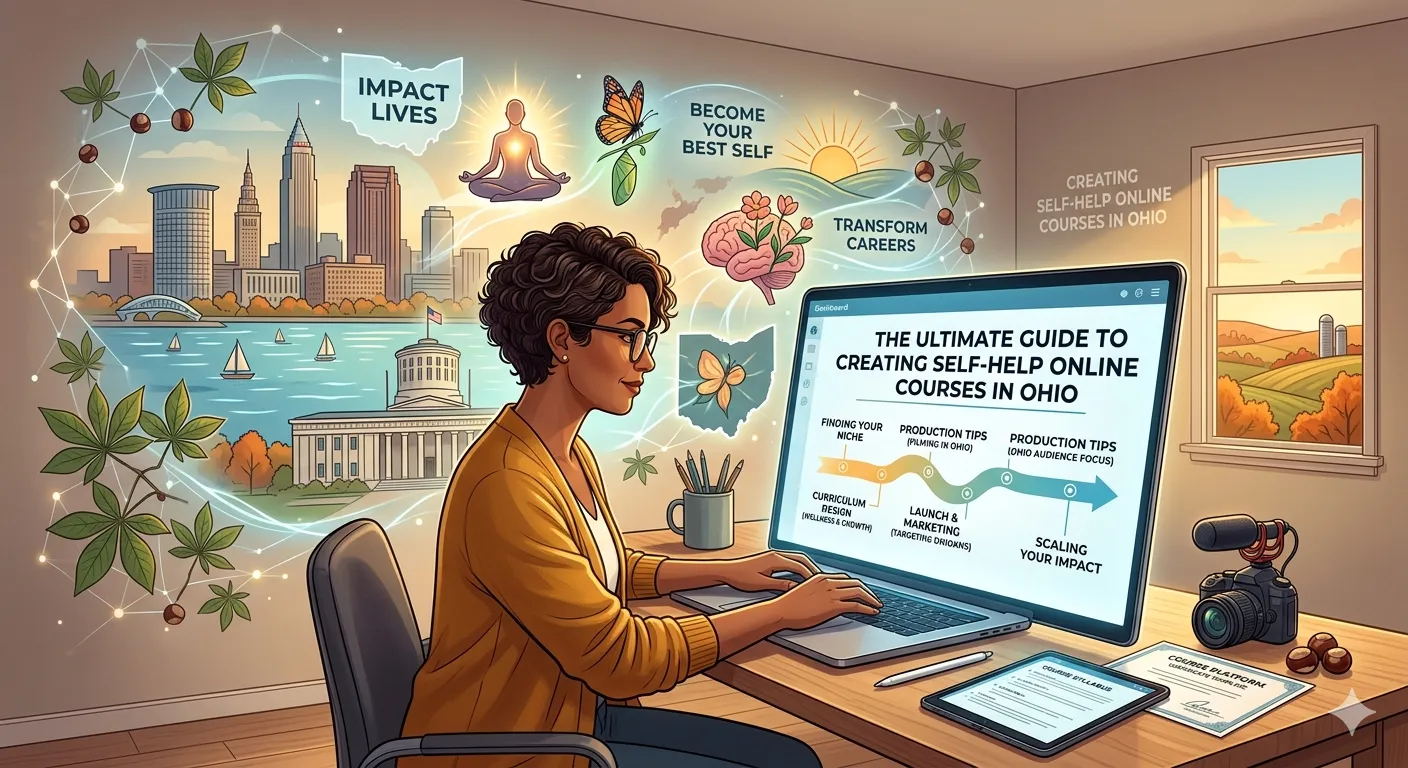
Self-help education has quietly become one of the fastest-growing segments in digital learning. From mindset training to personal productivity and wellness coaching, creators are turning their expertise into structured online courses that reach thousands of learners worldwide. In such a competitive environment, creating courses that perform well on every level is becoming a crucial task for many creators.
Self-Help Education: A Growing Opportunity
For educators, coaches, and entrepreneurs in Ohio—especially in cities like Columbus, Cleveland, and Cincinnati—this presents a significant opportunity. With the right instructional design strategy, curriculum framework, and LMS platform, a self-help course can become both a meaningful educational resource and a scalable digital product.
The global eLearning market has already surpassed $325 billion and is projected to approach $400 billion within the next few years, reflecting the rapid growth of online education and digital training programs.
Success in self-help course creation doesn’t come from simply recording videos. It requires thoughtful curriculum design, learner engagement strategies, and a structured learning experience based on adult learning principles (andragogy).
Step 1: Define the Transformation Your Course Will Deliver
Every successful self-help course begins with a clear learner transformation.
Instead of starting with content topics, begin with this key question:
What will learners be able to do differently after completing the course?
Examples include:
- Overcoming procrastination
- Developing a productivity system
- Building confidence and leadership skills
- Creating healthier habits
- Improving personal finances or mindset
In instructional design, this is called outcome-based curriculum development.
Example transformation statement:
Instead of: “This course teaches productivity.”
Use: “By the end of this course, learners will implement a weekly productivity system that improves focus and eliminates procrastination.”
This clarity makes the rest of your course creation process significantly easier.
Step 2: Use Instructional Design to Structure the Course
Many self-help creators struggle because their courses feel like random lessons rather than a learning journey.
Professional instructional designers typically use frameworks like:
- ADDIE Model
- Backward Design
- Microlearning pathways
- Skill-based competency models
A typical self-help curriculum structure:
| Module | Learning Focus |
|---|---|
| Module 1 | Understanding the core problem |
| Module 2 | Mindset shift and awareness |
| Module 3 | Practical tools and frameworks |
| Module 4 | Implementation strategies |
| Module 5 | Habit formation and accountability |
This structure ensures learners move from awareness to action, which is essential in self-development education.
Step 3: Choose the Right LMS Platform for Course Delivery
Your Learning Management System (LMS) determines how learners experience the course.
Popular platforms for course creators include:
- Kajabi – Ideal for coaches and creators building full online course businesses
- Thinkific – Strong course hosting and customization options
- LearnDash – WordPress-based LMS for advanced customization
These platforms support features like:
- Video lessons
- Quizzes and assignments
- Community discussions
- Certificates
- SCORM content compatibility
Kajabi alone supports tens of thousands of course creators worldwide.
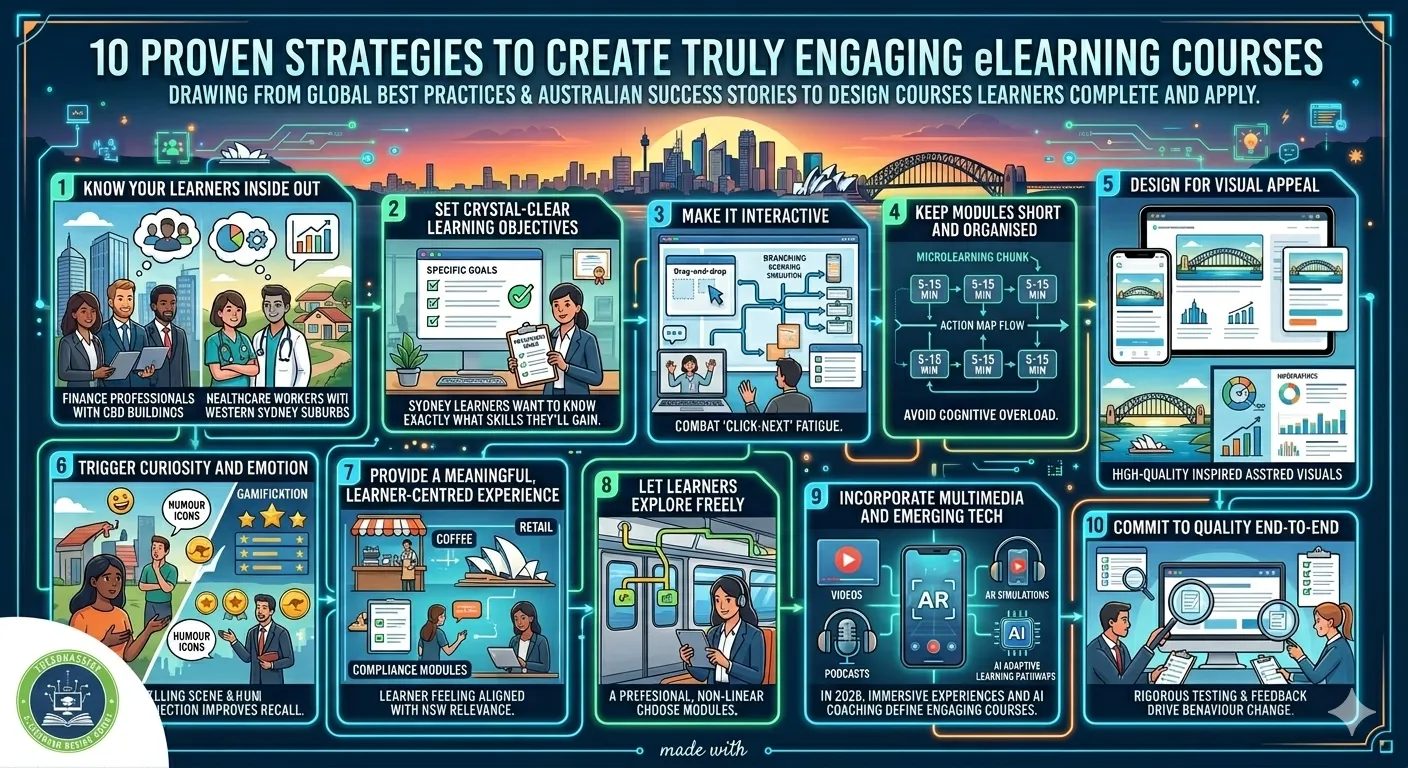
Step 4: Design Engaging Learning Experiences (Not Just Videos)
Many self-help courses fail because they rely entirely on talking-head video lessons.
To improve engagement, include multiple learning formats:
Effective eLearning content types:
- Short microlearning videos
- Reflection worksheets
- Interactive quizzes
- Guided journaling exercises
- Case studies
- Progress trackers
Research shows that multimedia learning improves knowledge retention significantly compared with passive lectures.
Tools like Canva, Articulate Storyline, and Articulate Rise 360 are widely used to create interactive educational content.
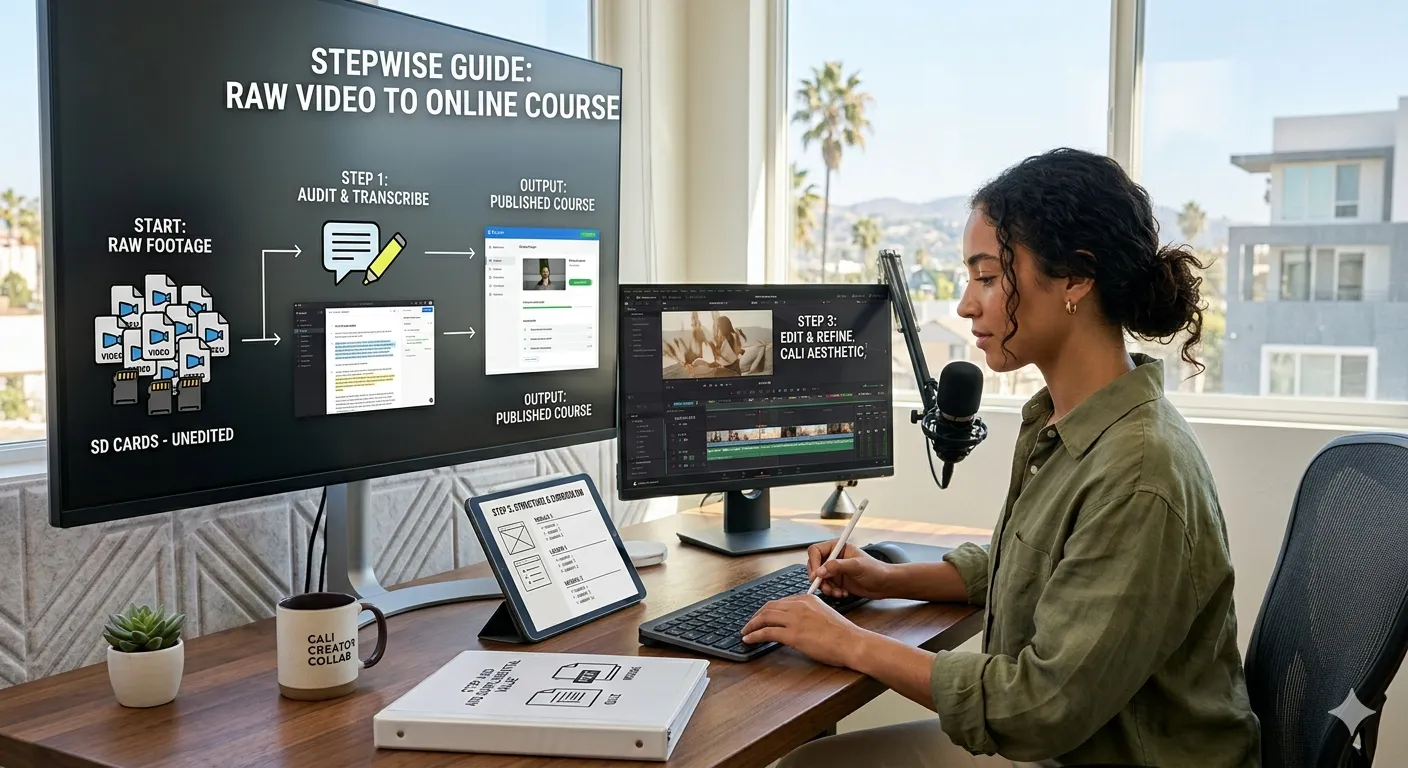
Step 5: Use Pre-Recorded Video and Professional Editing
Video content remains the most powerful learning medium in self-help courses.
Focus on quality:
- Clear audio
- Professional video editing
- Visual storytelling
- On-screen graphics
- Slide-based explanations
Many creators also incorporate AI video tools like HeyGen or Synthesia to scale content production.
Step 6: Integrate Community and Accountability
Self-help education works best when learners feel supported.
Popular community options:
- Private communities in Skool
- Kajabi community features
- Slack or Discord groups
- Weekly coaching sessions
Community learning dramatically improves course completion and accountability. (Average online course completion rate is around 50–60%.)
Cost Reality Check: Building a Professional Self-Help Course
| Cost Category | Estimated Cost |
|---|---|
| Instructional design consulting | $1,500 – $5,000 |
| Video production & editing | $1,000 – $4,000 |
| LMS platform subscription | $39 – $199/month |
| Visual design & course assets | $200 – $1,000 |
| Marketing funnel setup | $500 – $3,000 |
Many creators start with a lean version and improve the course as enrollment grows.
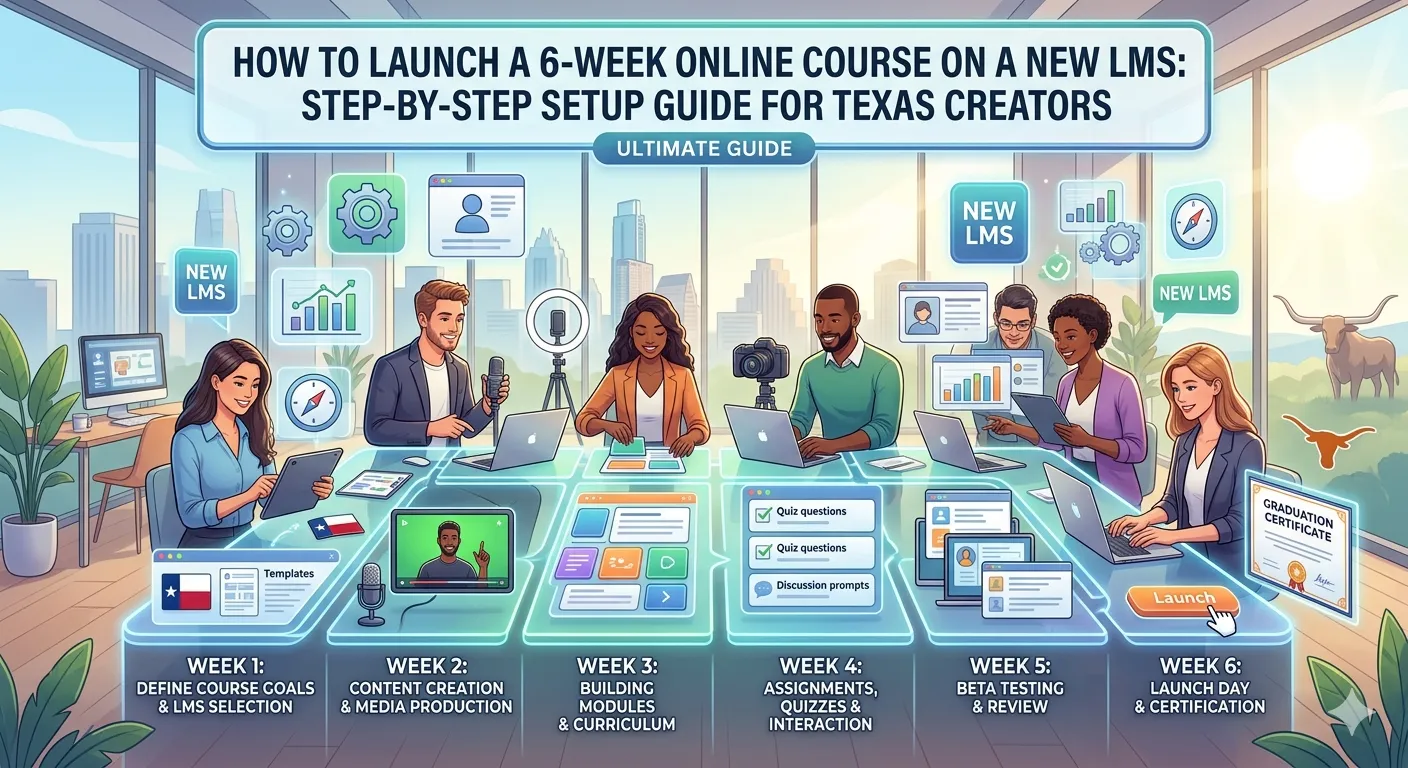
A Simple Launch Framework for Ohio Course Creators:
- Validate the course idea through coaching sessions or workshops
- Create a pilot version of the curriculum
- Record core modules
- Launch a beta cohort
- Collect feedback and refine content
- Convert the course into a scalable digital product
Final Thoughts:
Creating a self-help online course in Ohio is not just about sharing advice — it’s about designing a structured learning experience that genuinely helps people transform their lives.
By combining professional instructional design, strategic curriculum development, interactive eLearning content, scalable LMS platforms, and strong community engagement, coaches and educators can build digital courses that are both educationally impactful and financially sustainable.
Investing in thoughtful course design and learner experience is the real differentiator for long-term success.
References:
- https://www.statista.com/topics/3115/e-learning-and-digital-education/#topicOverview
- https://www.coursebox.ai/blog/online-learning-statistics?utm
- https://www.twinstrata.com/elearning-statistics/
- https://www.twinstrata.com/elearning-statistics/
Frequently Asked Questions:
What platform is best for creating a self-help online course?
Popular platforms include Kajabi, Thinkific, and LearnDash, each offering course hosting, community features, and analytics.
How long should a self-help online course be?
Most successful courses range between 2–6 hours of content, divided into short microlearning lessons.
Do I need instructional design experience to create a course?
Not necessarily, but applying instructional design principles and adult learning theory (andragogy) significantly improves learner outcomes.
Can self-help courses be profitable?
Yes. Many creators build scalable education businesses by combining online courses, coaching programs, and community memberships.
What tools help create interactive learning content?
Tools like Articulate Storyline, Articulate Rise 360, Canva, and AI video platforms like Synthesia help create engaging digital learning experiences.
Authored By: Sofia Arif